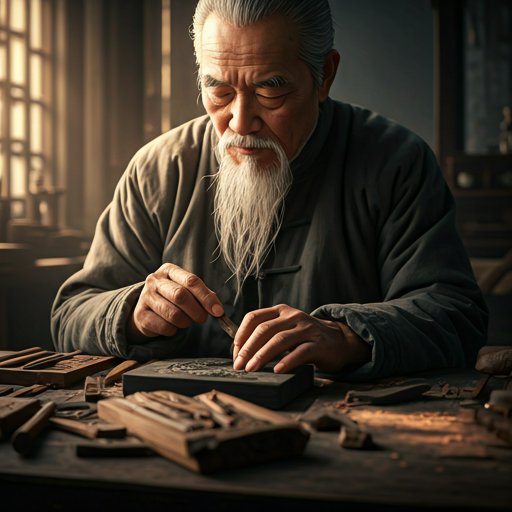
Heritage
Stories
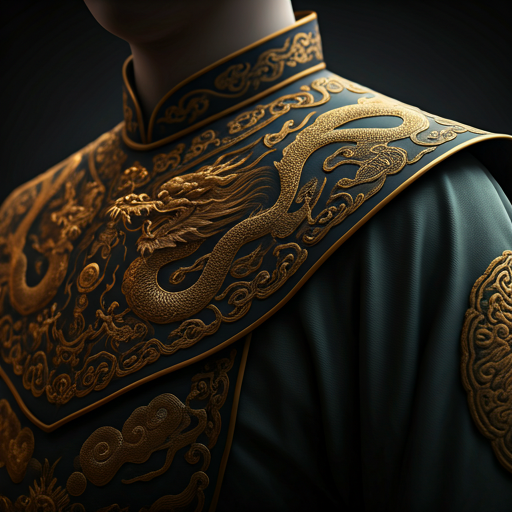
Why Kunqu Was Born in Jiangnan
Water, gardens, and the voice of a region
In the late Ming Dynasty, a new sound emerged from the gardens of Suzhou — delicate, refined, and achingly beautiful. It was Kunqu, the operatic form that would define Chinese thea...
Curated
Collections
Handpicked narratives exploring the depth and diversity of China's living heritage across time and terrain.
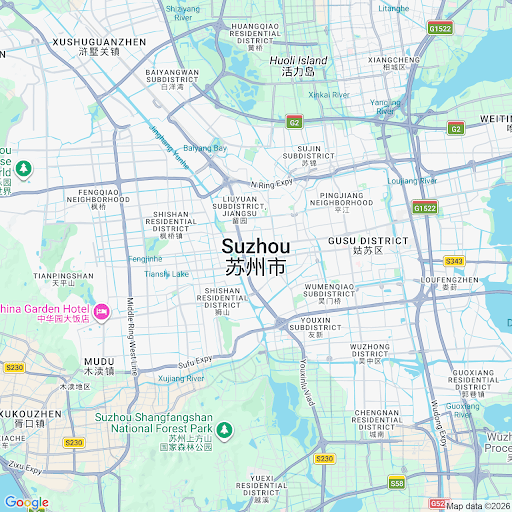
The Porcelain Road: Jingdezhen and the World
How a small town in Jiangxi became the center of the global ceramics trade
Spring Festival: Older Customs, a Recent Name
Where the year-season customs come from, and when the name settled
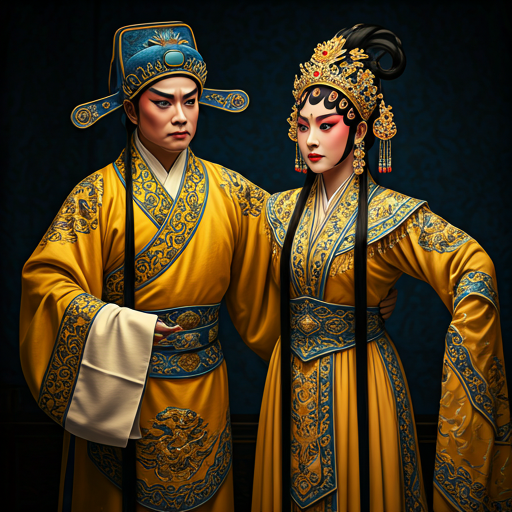
The Art of Silence: Peking Opera's Journey from Court to World
Where every gesture tells a story, and silence speaks louder than words
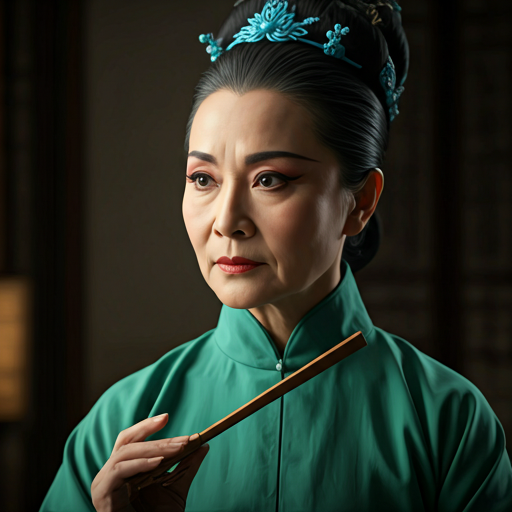
Silk: The Thread That Connected Civilizations
How a caterpillar's cocoon wove the first global economy
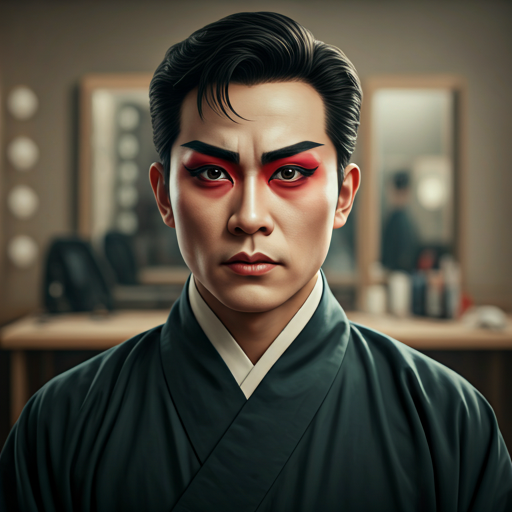
Tai Chi: From Martial Art to Global Meditation
The slow motion that moves the world
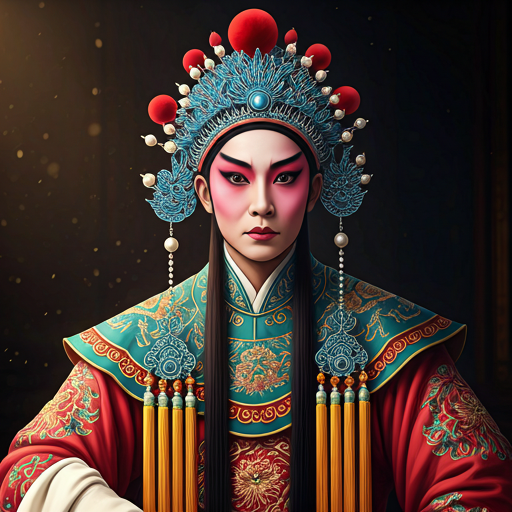
Medicine Without Borders: TCM's Ancient Wisdom
Healing the body by balancing the universe within
Narrative
Journeys
Trace the evolution of cultural phenomena across geographic and temporal boundaries.
Recent
Stories
New narratives freshly woven into the atlas of living heritage.
All 27 Heritage Stories
Every narrative in the archive, from founding legends to craft lineages and field reports on living practice.
| Story | Themes | Chapters |
|---|---|---|
| Why Kunqu Was Born in Jiangnan Water, gardens, and the voice of a region | operajiangnanming-dynasty | 7 |
| The Porcelain Road: Jingdezhen and the World How a small town in Jiangxi became the center of the global ceramics trade | crafttrademing-dynasty | 7 |
| Spring Festival: Older Customs, a Recent Name Where the year-season customs come from, and when the name settled | festivalspring-festivalritual | 6 |
| The Art of Silence: Peking Opera's Journey from Court to World Where every gesture tells a story, and silence speaks louder than words | operabeijingqing-dynasty | 7 |
| Silk: The Thread That Connected Civilizations How a caterpillar's cocoon wove the first global economy | craftsilktrade | 7 |
| Tai Chi: From Martial Art to Global Meditation The slow motion that moves the world | martial-artwellnesshenan | 7 |
| Medicine Without Borders: TCM's Ancient Wisdom Healing the body by balancing the universe within | medicinetcmacupuncture | 7 |
| The Dragon Boat Festival: Memory, River, Nation A poet's sacrifice, a nation's memory | festivaldragon-boatqu-yuan | 6 |
| How Cloisonné Entered the Imperial Court The art of trapping color in metal | craftcloisonneming-dynasty | 6 |
| Mongolian Long Song: The Grasslands Singing A melody as vast as the steppe | musicmongoliansteppe | 7 |
| Suzhou Embroidery: A Needlepoint Universe Where a single silk thread splits into 32 strands | craftembroiderysuzhou | 6 |
| Wood and Earth: The Magic of Longquan Celadon How Chinese potters chased the color of jade for a thousand years | craftceladonsong-dynasty | 6 |
| Woodblock Printing: The First Information Revolution How carved pear wood changed the world | craftprintingtechnology | 6 |
| The Tea Horse Road: Brewing Civilization From Shennong's accidental infusion to a global obsession | teatradeceremony | 6 |
| The Sound of Silk: Guzheng Across Millennia Plucking the strings of Chinese memory | musicinstrumentguzheng | 6 |
| Tibetan Opera: Masks of the Himalayas Where the Himalayas echo with song and dance | operatibetanmask | 6 |
| The Lute That Crossed the Desert: Pipa A Persian instrument that became unmistakably Chinese | musicinstrumentpipa | 6 |
| Acupuncture: The Map of Energy Thin needles, deep wisdom: the science of meridians | medicineacupuncturewellness | 7 |
| The Dancing Lion: From Exorcism to Celebration When two people become one beast | dancelionfestival | 6 |
| Shadow Puppetry: Light, Leather, and Legend The world's first animated cinema | performanceshadow-puppetryhan-dynasty | 6 |
| The Legend of the Nian Monster How a night of terror became the world's greatest celebration | festivalspring-festivalmyth | 6 |
| The Legend of Mazu The fisher girl who became the Goddess of the Sea | mazuseagoddess | 6 |
| The Cowherd and the Weaver Girl A love story written in the stars | qiximythstars | 6 |
| Shennong and the Discovery of Tea The leaf that fell into an emperor's cup | teashennongceremony | 6 |
| The Emperor and the Lantern Riddles Wordplay that lit up the night | lantern-festivalriddlehan-dynasty | 7 |
| Qu Yuan and the Dragon Boat Festival A poet's sacrifice, a nation's memory | dragon-boatqu-yuanfestival | 6 |
| The Peony Pavilion The dream that gave Kunqu its immortal voice | kunquoperaming-dynasty | 6 |
Chinese Heritage Stories, Answered
What is the Nian monster story?
The Nian is the mythical beast said to have terrorised villages before the new year, and communities drove it away with noise, fire, and light. The story gives red, noise, and fire an explanation people can remember; the customs it explains are recorded in texts many centuries earlier.
Who are the Cowherd and the Weaver Girl?
They are two lovers from Chinese astronomy, separated across the Milky Way and permitted to meet only once a year on the seventh night of the seventh lunar month — the origin story behind Qixi, often called Chinese Valentine’s Day.
What was the Porcelain Road?
The Porcelain Road was a network of maritime and overland trade routes that carried Chinese ceramics from Jingdezhen kilns as far as the Middle East and East Africa, propagating both the wares and the craft knowledge behind them.
Who was Qu Yuan?
Qu Yuan was a poet and minister of the Warring States period whose exile on the Xiang River is traditionally linked to the Dragon Boat Festival, still celebrated by racing boats on the fifth day of the fifth lunar month.
What are Chinese lantern riddles?
Lantern riddles are word puzzles written on paper and pasted to lanterns during the Lantern Festival, on the fifteenth night of the first lunar month. Solving them became a scholarly pastime and a festive public custom in its own right.