
Quyi (Folk Arts)
The art of spoken-word performance: storytelling, comic dialogue, and lyrical recitation that have entertained audiences for centuries.
The Alchemy of Form & Soul
The art of spoken-word performance: storytelling, comic dialogue, and lyrical recitation that have entertained audiences for centuries.
This category represents one of the fundamental pillars of China's intangible cultural heritage. From the imperial courts to village squares, these traditions have been refined over centuries, embodying the aesthetic ideals, spiritual values, and technical mastery of Chinese civilization.
KNOWLEDGE SNAPSHOT
- Primary Dynasties Tang, Song, Ming
- Key Materials Silk, Clay, Jade, Lacquer
- Representative Traditions Suzhou PingtanCross-Talk (Xiangsheng)Sichuan QingyinGesar Epic
-
90% OF TRADITIONS CLASSIFIED AS LIVING HERITAGE
Iconic Quyi (Folk Arts) Traditions

“A refined Suzhou art of storytelling through song, where a single performer narrates epic tales with pipa accompaniment”
Suzhou Pingtan
Ming Dynasty (1368–1644 CE) · national
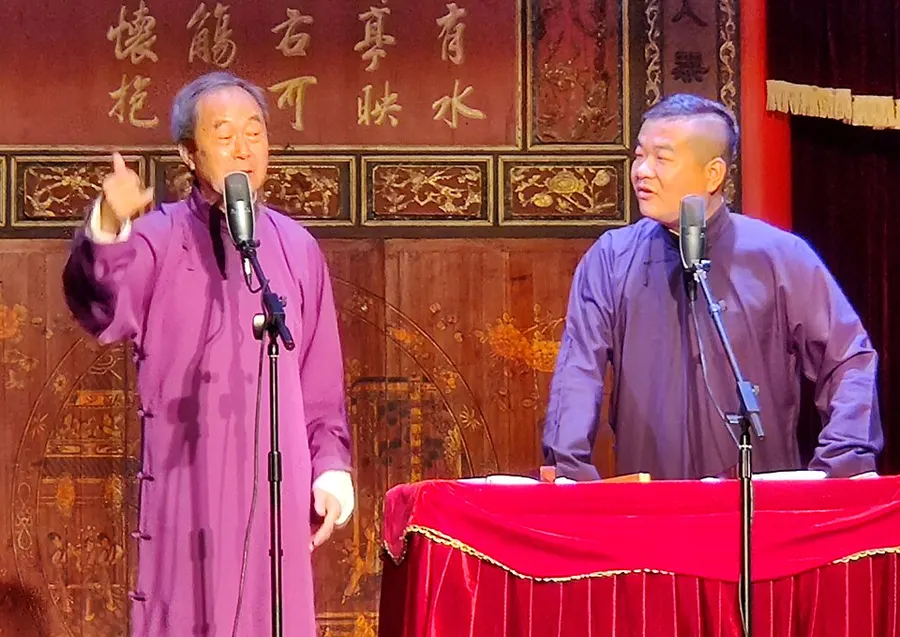
“China's beloved comedic dialogue tradition — rapid-fire wit, wordplay, mimicry, and social commentary between two performers”
Cross-Talk (Xiangsheng)
Qing Dynasty, late 19th century CE · national
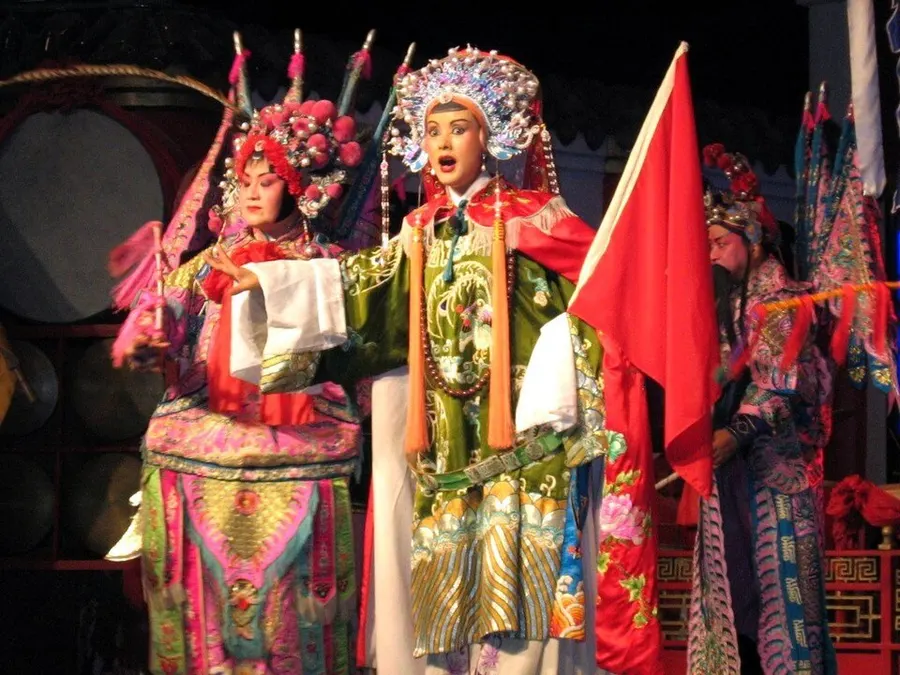
“A delicate female vocal art from Sichuan, known for its clear, ornamented singing and bamboo percussion accompaniment”
Sichuan Qingyin
Qing Dynasty (1644–1912 CE) · national
The Craft Constellation
Discover the hidden threads connecting regional materials to ancestral techniques. This graph maps the symbiotic relationship between local ecosystems and the crafts they birthed.
REQUIRES GRAPHICS ACCELERATION
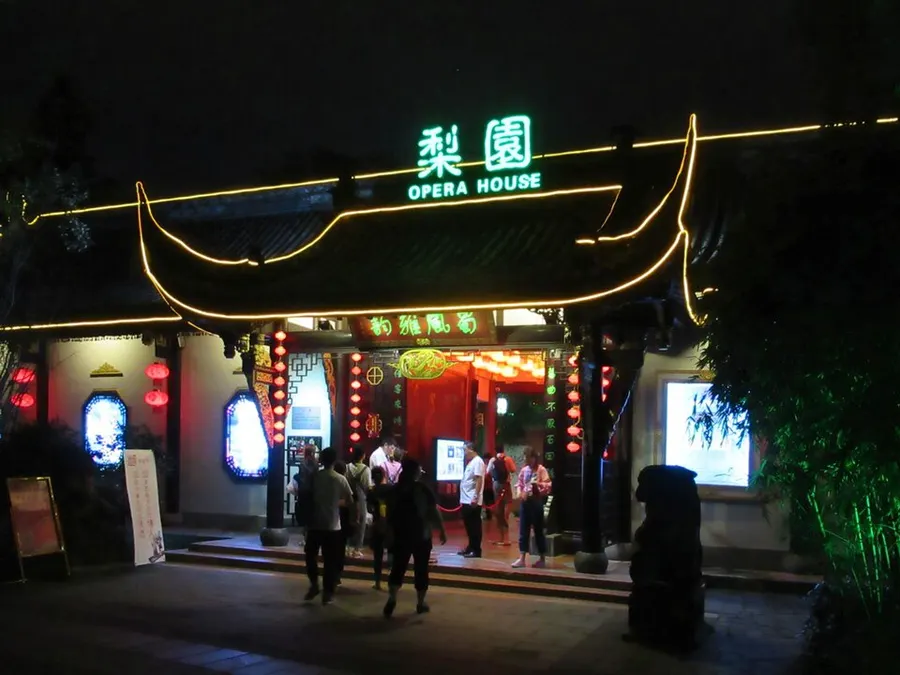
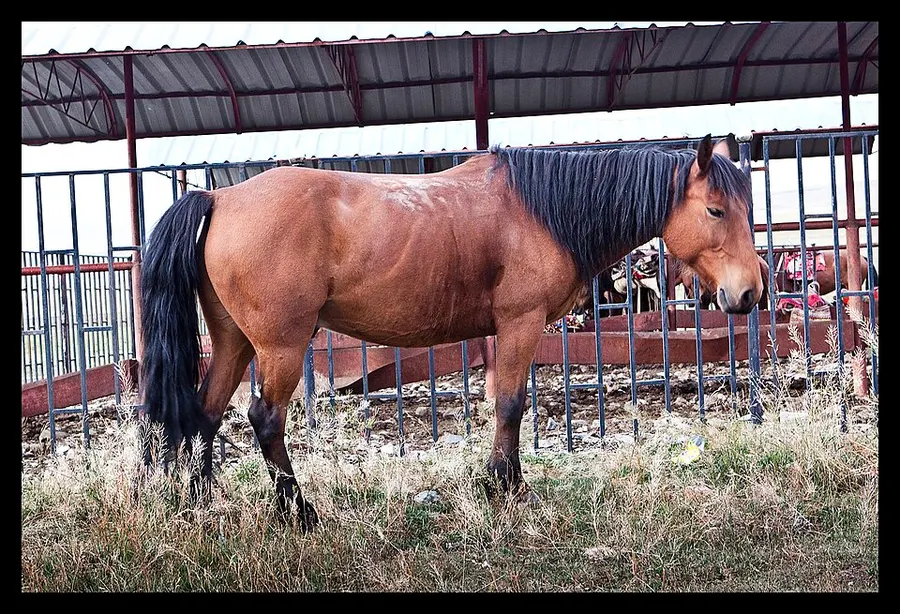

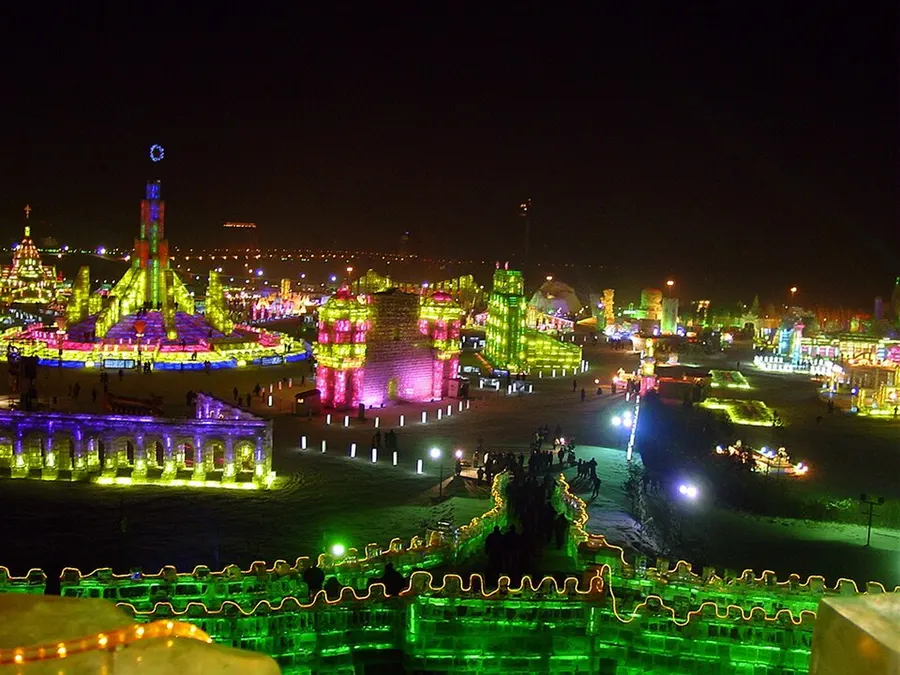
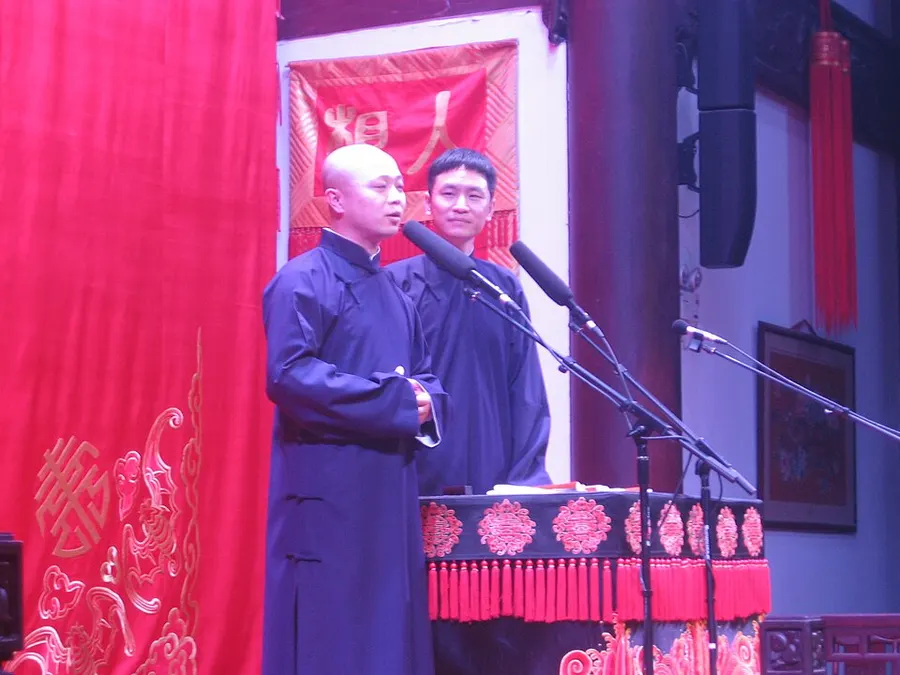

Masters & Keepers
“ We do not own these crafts; we are merely their current custodians. To weave is to remember. To carve is to honor the ancestors who discovered the secrets of the wood. — MASTER WEAVER LI, SUZHOU
Behind every artifact is a living master who has dedicated a lifetime to the pursuit of perfection. Our program documents these individuals through high-resolution video and oral history archives.
MEET THE MASTERSThe Evolution of Form
206 BCE – 220 CE
Emergence of advanced lacquerware and the formalized Silk Road trade routes.
960 – 1279 CE
Peak of ceramic minimalism. Celadon and Ru wares define imperial elegance.
1368 – 1644 CE
Blue and white porcelain reaches global perfection. Advanced furniture joinery develops.
1644 – 1912 CE
Elaborate ornamentation and technical mastery in cloisonné and jade carving.
The Full Archive
Suzhou Pingtan
Ming Dynasty (1368–1644 CE) · national
Cross-Talk (Xiangsheng)
Qing Dynasty, late 19th century CE · national
Sichuan Qingyin
Qing Dynasty (1644–1912 CE) · national
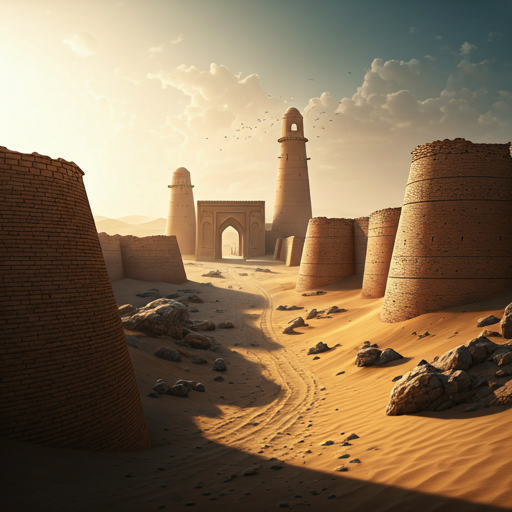
Gesar Epic Tradition
11th–12th century CE, Tibet · unesco
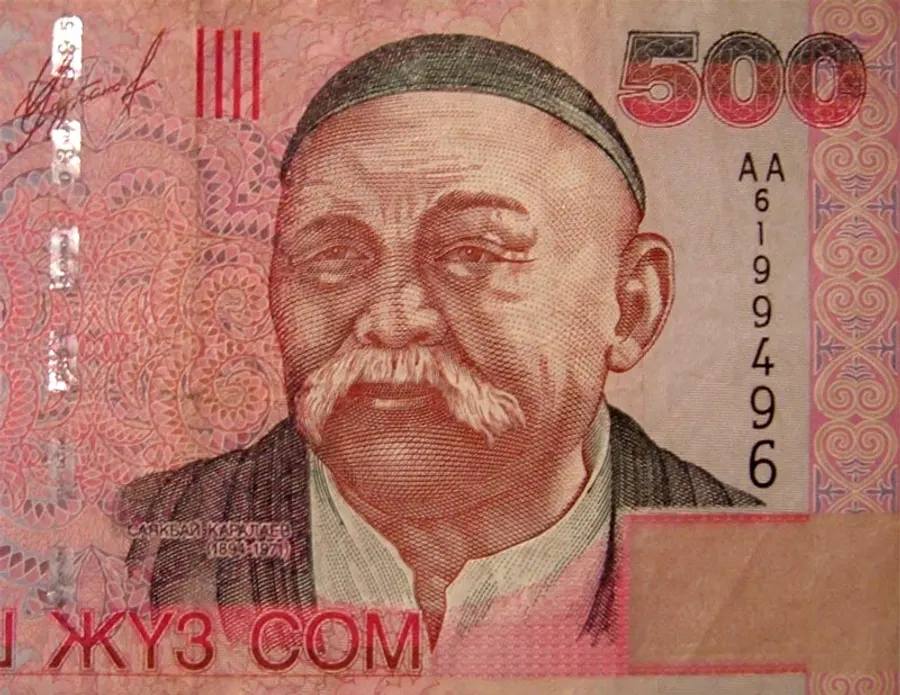
Manas Epic
9th–10th century CE · unesco
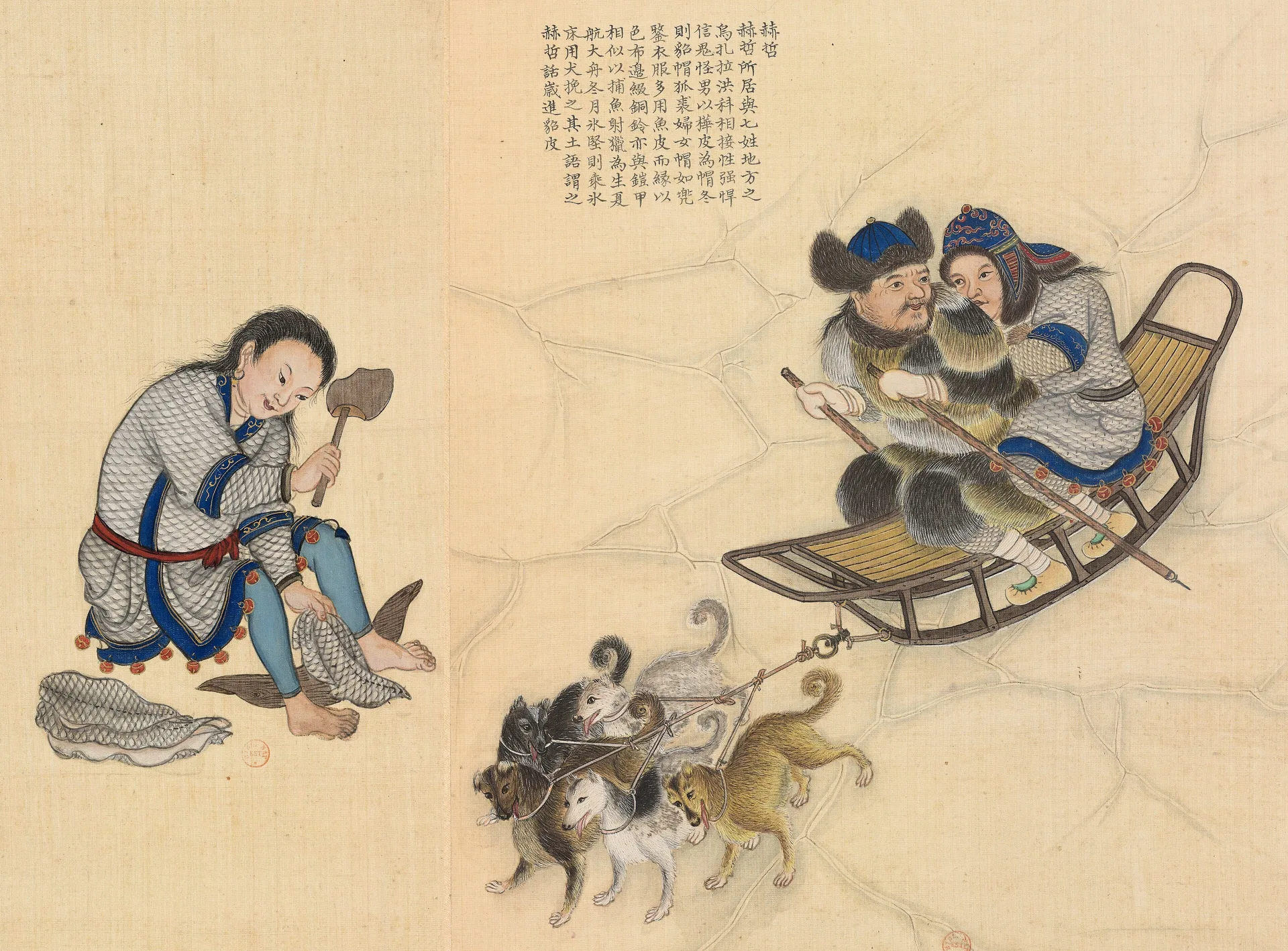
Hezhen Yimakan Storytelling
Ancient, passed down orally through Hezhen generations · unesco
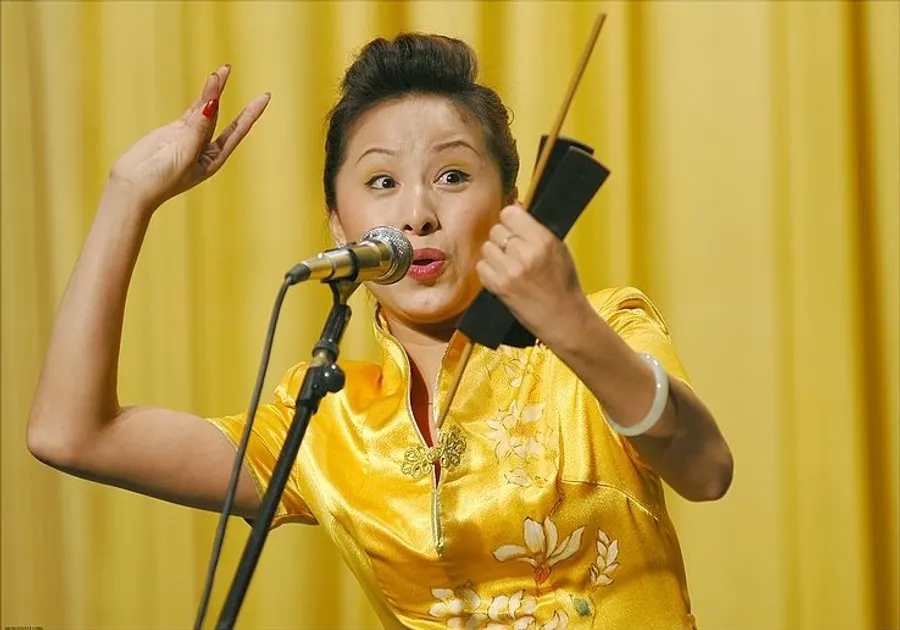
Dagu (Drum Storytelling)
Qing Dynasty, developed from folk song traditions · national
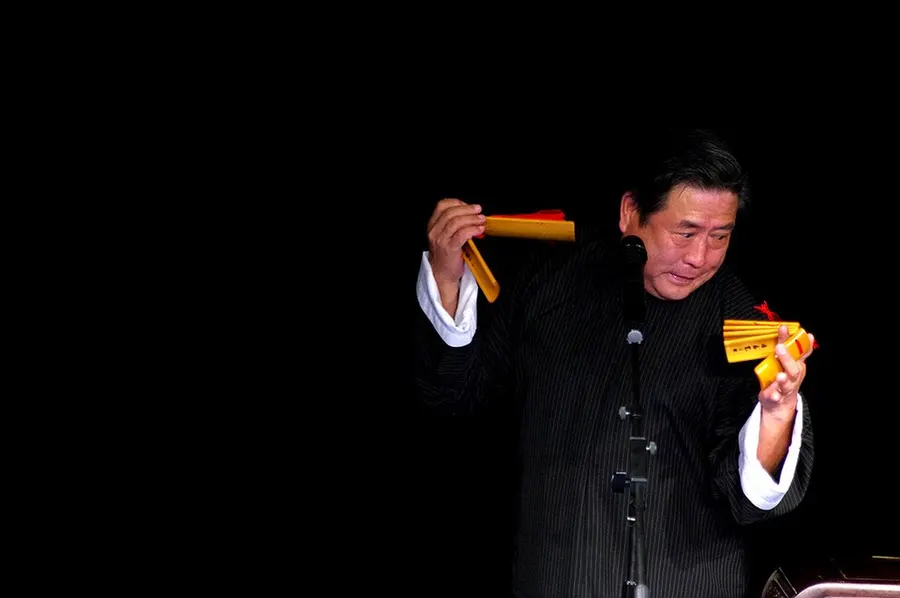
Kuaiban (Clapper Talk)
Ming Dynasty (1368–1644 CE) · national
Tanci (Ballad Singing)
Ming Dynasty (1368–1644 CE) · national
Pingshu (Storytelling)
Qing Dynasty (1644–1912 CE) · national