
Folk Customs
Seasonal celebrations, ancestral rites, and community festivals that mark the rhythms of the agricultural calendar and Chinese spiritual life.
The Alchemy of Form & Soul
Seasonal celebrations, ancestral rites, and community festivals that mark the rhythms of the agricultural calendar and Chinese spiritual life.
This category represents one of the fundamental pillars of China's intangible cultural heritage. From the imperial courts to village squares, these traditions have been refined over centuries, embodying the aesthetic ideals, spiritual values, and technical mastery of Chinese civilization.
KNOWLEDGE SNAPSHOT
- Primary Dynasties Tang, Song, Ming
- Key Materials Silk, Clay, Jade, Lacquer
- Representative Traditions Spring FestivalTwenty-Four SolarMazu BeliefChinese Tea
-
100% OF TRADITIONS CLASSIFIED AS LIVING HERITAGE
Iconic Folk Customs Traditions
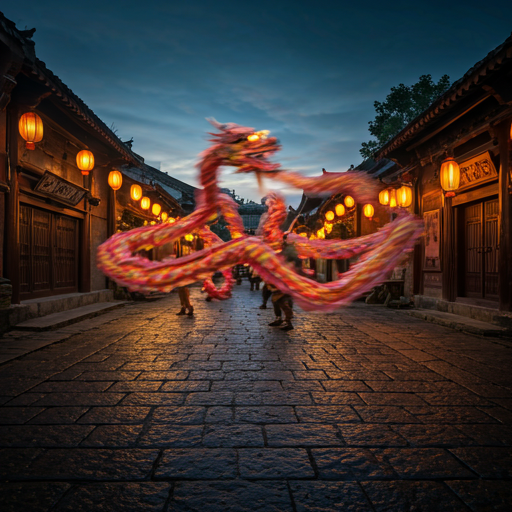
“China's most important traditional festival, marking the lunar new year with family reunions, feasts, and vibrant cultural celebrations”
Spring Festival
Shang Dynasty (1600–1046 BCE) · unesco
“A traditional Chinese calendar system dividing the year into 24 seasonal segments that guide agriculture, diet, and cultural practices”
Twenty-Four Solar Terms
Warring States period (5th–2nd century BCE) · unesco
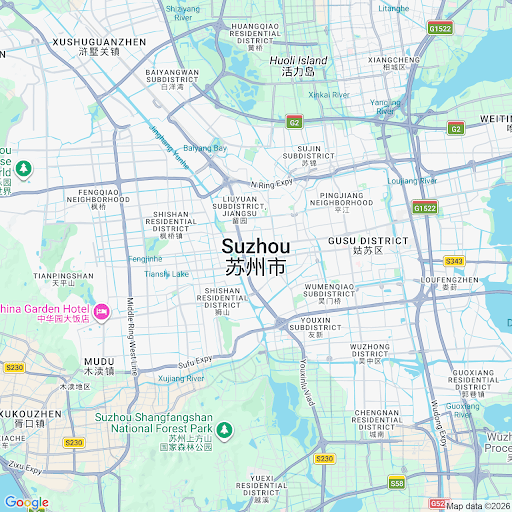
“Worship of the Chinese sea goddess Mazu, rooted in Fujian and spreading across the world — a blend of compassion, protection, and maritime culture”
Mazu Belief and Customs
Song Dynasty, 10th century CE · unesco
The Craft Constellation
Discover the hidden threads connecting regional materials to ancestral techniques. This graph maps the symbiotic relationship between local ecosystems and the crafts they birthed.
REQUIRES GRAPHICS ACCELERATION
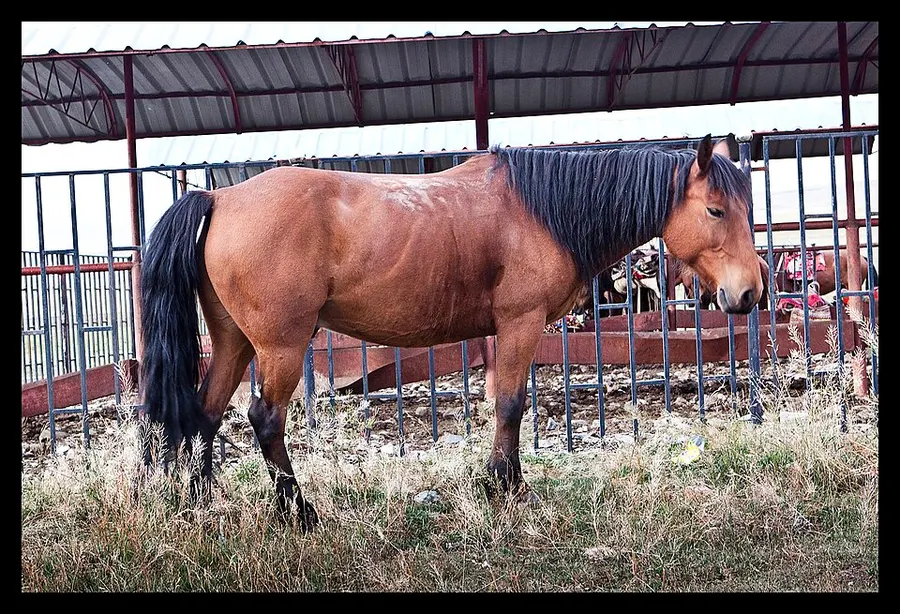
Masters are being documented for this category.
The Evolution of Form
206 BCE – 220 CE
Emergence of advanced lacquerware and the formalized Silk Road trade routes.
960 – 1279 CE
Peak of ceramic minimalism. Celadon and Ru wares define imperial elegance.
1368 – 1644 CE
Blue and white porcelain reaches global perfection. Advanced furniture joinery develops.
1644 – 1912 CE
Elaborate ornamentation and technical mastery in cloisonné and jade carving.
The Full Archive
Spring Festival
Shang Dynasty (1600–1046 BCE) · unesco
Twenty-Four Solar Terms
Warring States period (5th–2nd century BCE) · unesco
Mazu Belief and Customs
Song Dynasty, 10th century CE · unesco
Chinese Tea Ceremony
Tang Dynasty (618–907 CE) · national
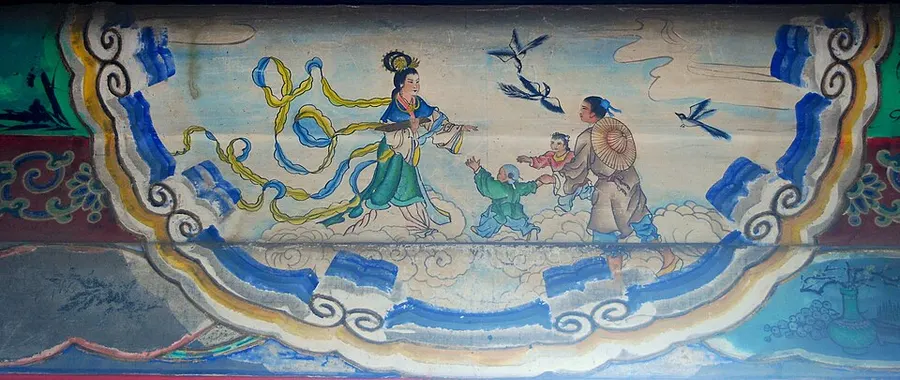
Qixi Festival
Han Dynasty (202 BCE–220 CE) · national
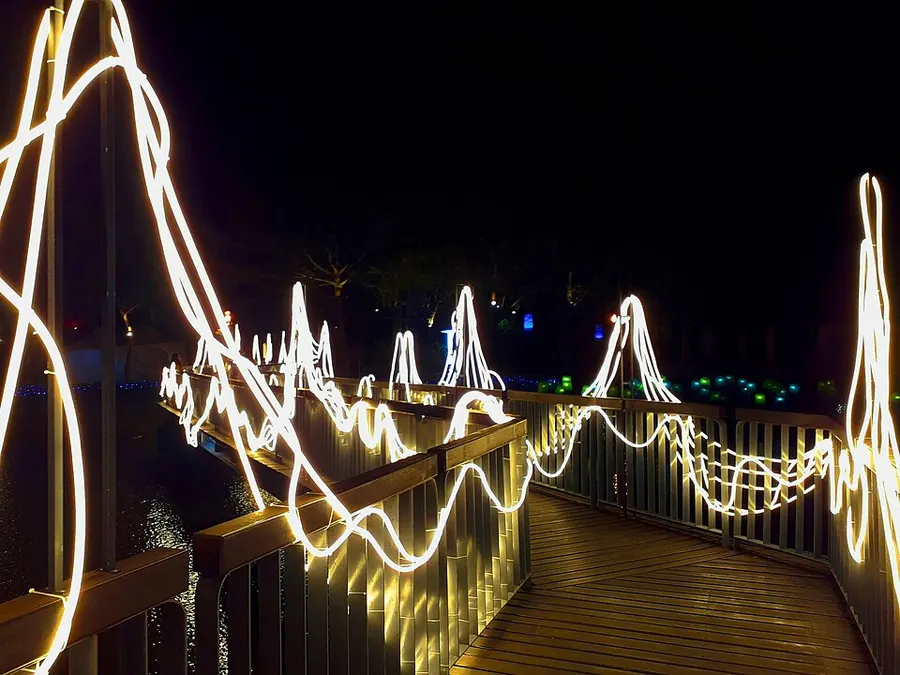
Lantern Festival
Han Dynasty (202 BCE–220 CE) · national
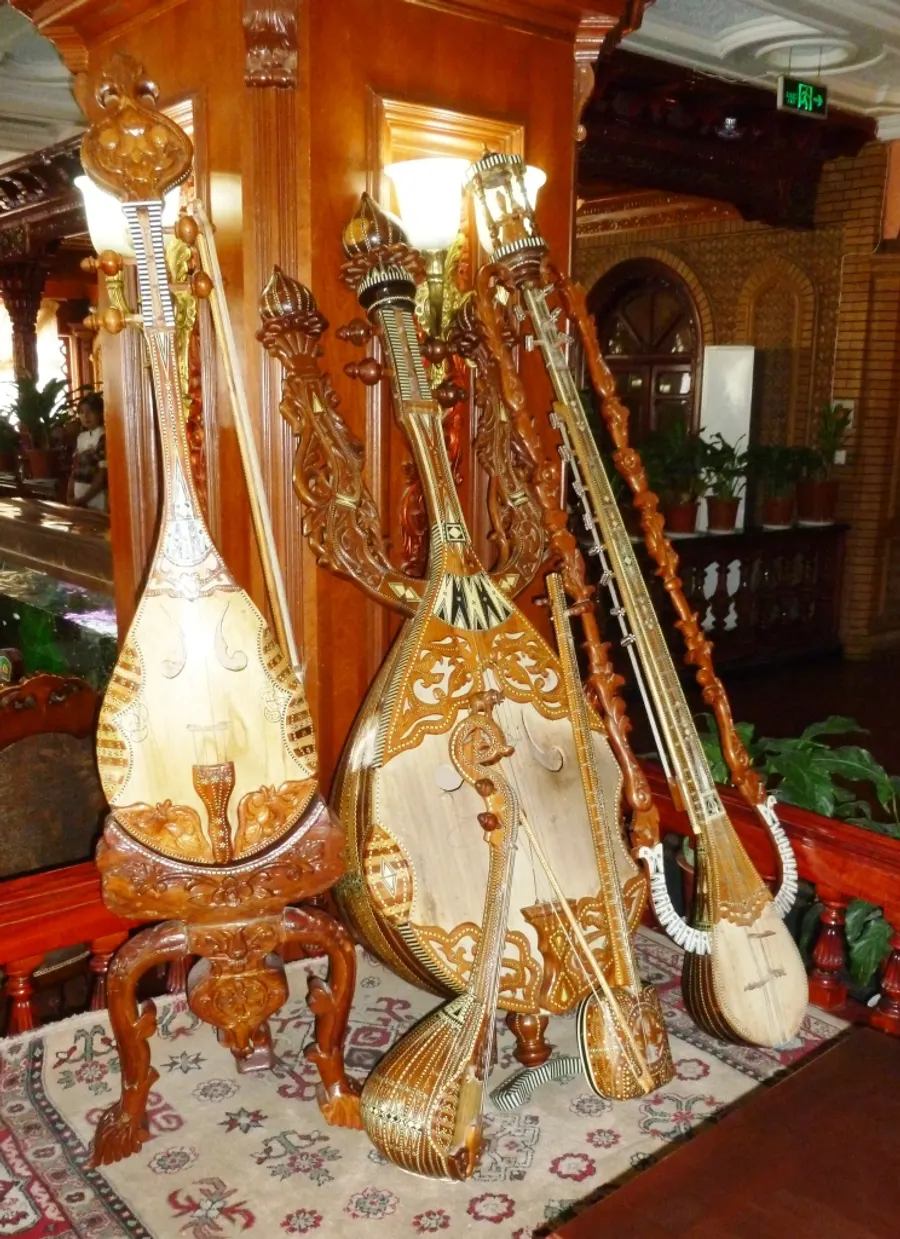
Meshrep
Developed over centuries in oasis towns of Xinjiang · unesco
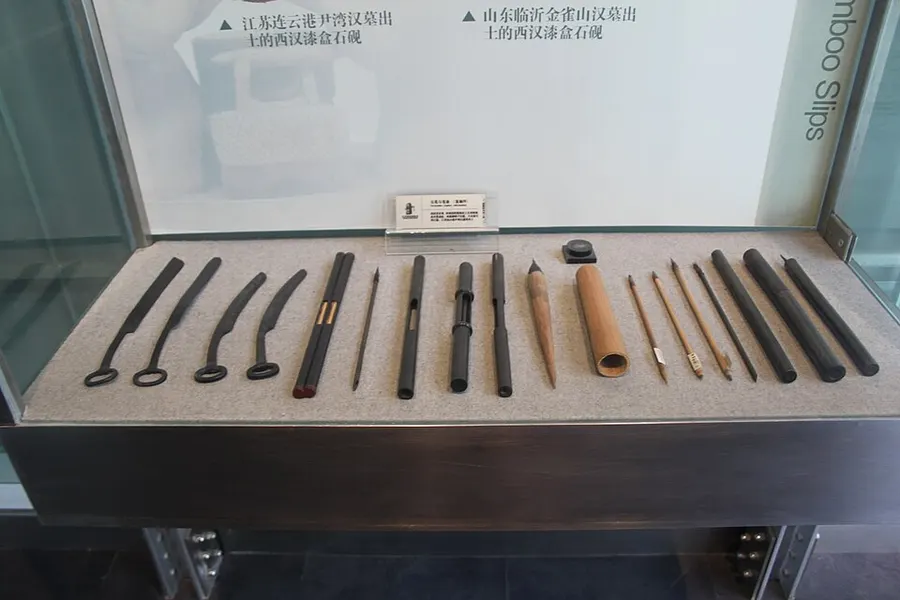
Chinese Zhusuan (Abacus)
Han Dynasty (2nd century BCE) · unesco

Ong Chun / Wangchuan Ceremony
Ming Dynasty (1368–1644 CE) · unesco
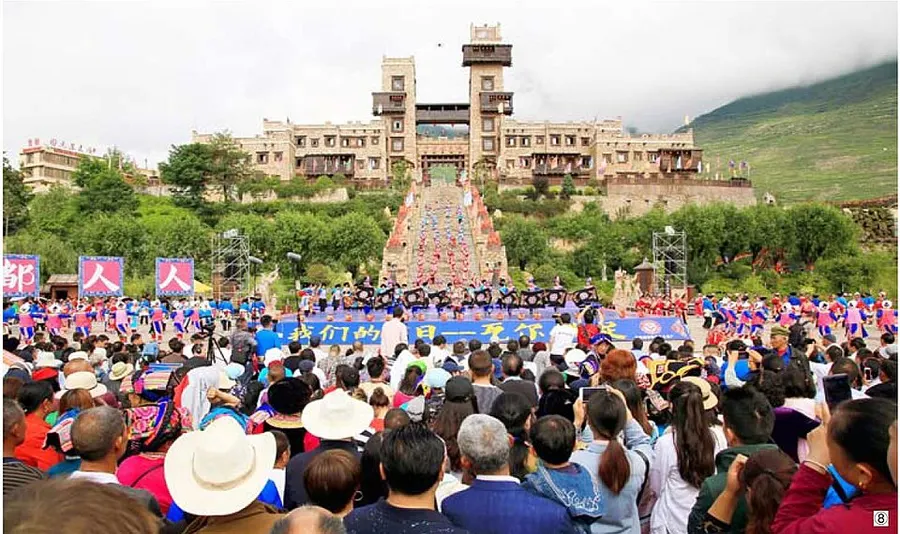
Qiang New Year Festival
Ancient Qiang tradition, predates written records · unesco