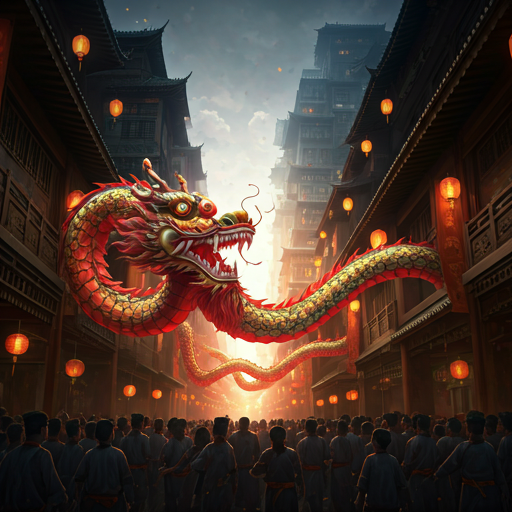
Traditional Dance
Energetic and symbolic, traditional Chinese dances tell stories of harvest, celebration, and community through precise, expressive movement.
The Alchemy of Form & Soul
Energetic and symbolic, traditional Chinese dances tell stories of harvest, celebration, and community through precise, expressive movement.
This category represents one of the fundamental pillars of China's intangible cultural heritage. From the imperial courts to village squares, these traditions have been refined over centuries, embodying the aesthetic ideals, spiritual values, and technical mastery of Chinese civilization.
KNOWLEDGE SNAPSHOT
- Primary Dynasties Tang, Song, Ming
- Key Materials Silk, Clay, Jade, Lacquer
- Representative Traditions Dragon DanceLion DanceYangge DanceFarmers' Dance
-
100% OF TRADITIONS CLASSIFIED AS LIVING HERITAGE
Iconic Traditional Dance Traditions
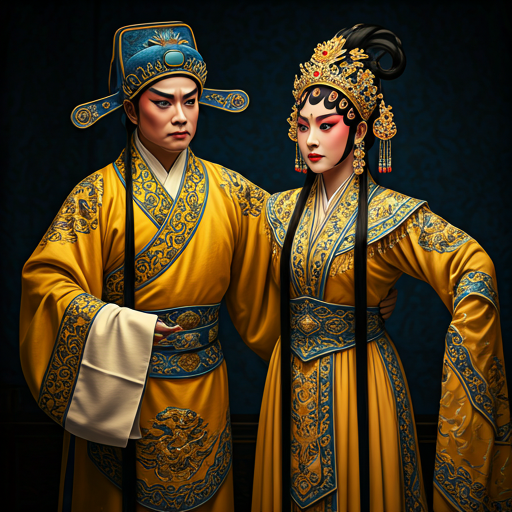
“A spectacular dance where performers bring a giant dragon to life with coordinated movements — a symbol of power, wisdom, and good fortune”
Dragon Dance
Han Dynasty (202 BCE–220 CE) · national
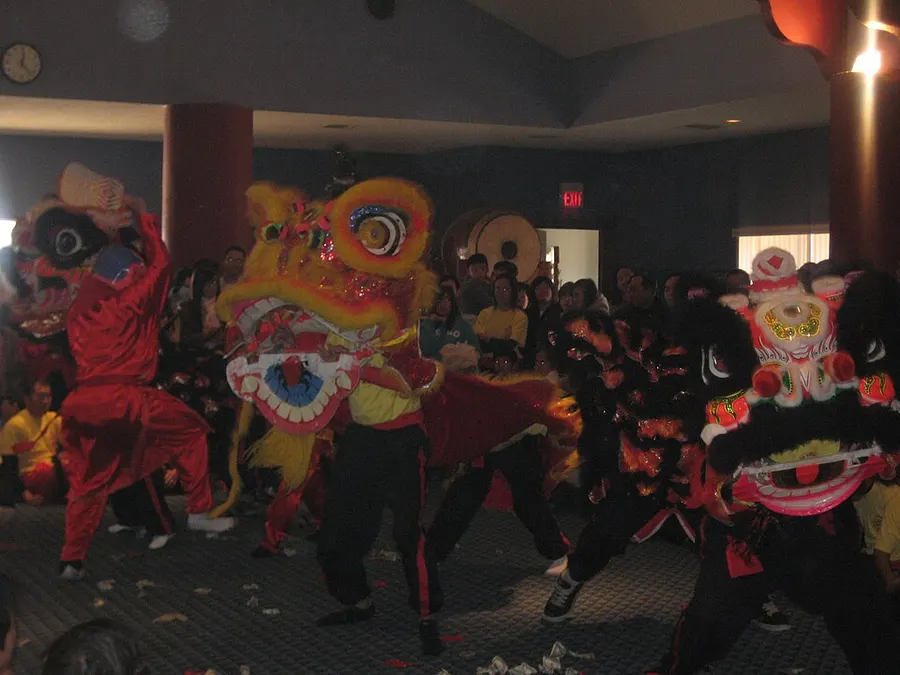
“An acrobatic dance performance where two dancers become a lion, bringing good luck and warding off evil during celebrations”
Lion Dance
Three Kingdoms period (220–280 CE) · national
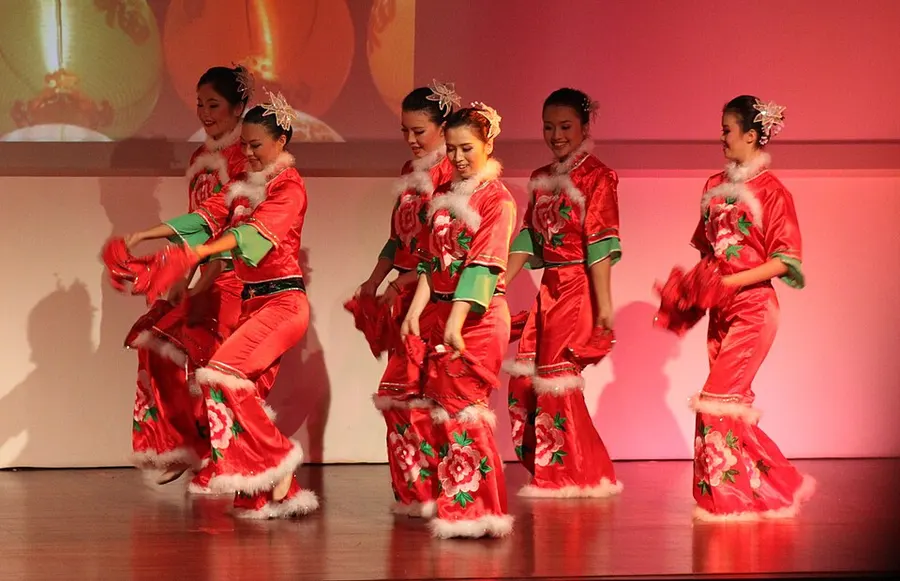
“A lively northern Chinese folk dance with colorful costumes, fans, and waist drums — originally a rice-planting song turned celebration”
Yangge Dance
Song Dynasty (960–1279 CE) · national
The Craft Constellation
Discover the hidden threads connecting regional materials to ancestral techniques. This graph maps the symbiotic relationship between local ecosystems and the crafts they birthed.
REQUIRES GRAPHICS ACCELERATION
Masters & Keepers
“ We do not own these crafts; we are merely their current custodians. To weave is to remember. To carve is to honor the ancestors who discovered the secrets of the wood. — MASTER WEAVER LI, SUZHOU
Behind every artifact is a living master who has dedicated a lifetime to the pursuit of perfection. Our program documents these individuals through high-resolution video and oral history archives.
MEET THE MASTERSThe Evolution of Form
206 BCE – 220 CE
Emergence of advanced lacquerware and the formalized Silk Road trade routes.
960 – 1279 CE
Peak of ceramic minimalism. Celadon and Ru wares define imperial elegance.
1368 – 1644 CE
Blue and white porcelain reaches global perfection. Advanced furniture joinery develops.
1644 – 1912 CE
Elaborate ornamentation and technical mastery in cloisonné and jade carving.
The Full Archive
Dragon Dance
Han Dynasty (202 BCE–220 CE) · national
Lion Dance
Three Kingdoms period (220–280 CE) · national
Yangge Dance
Song Dynasty (960–1279 CE) · national
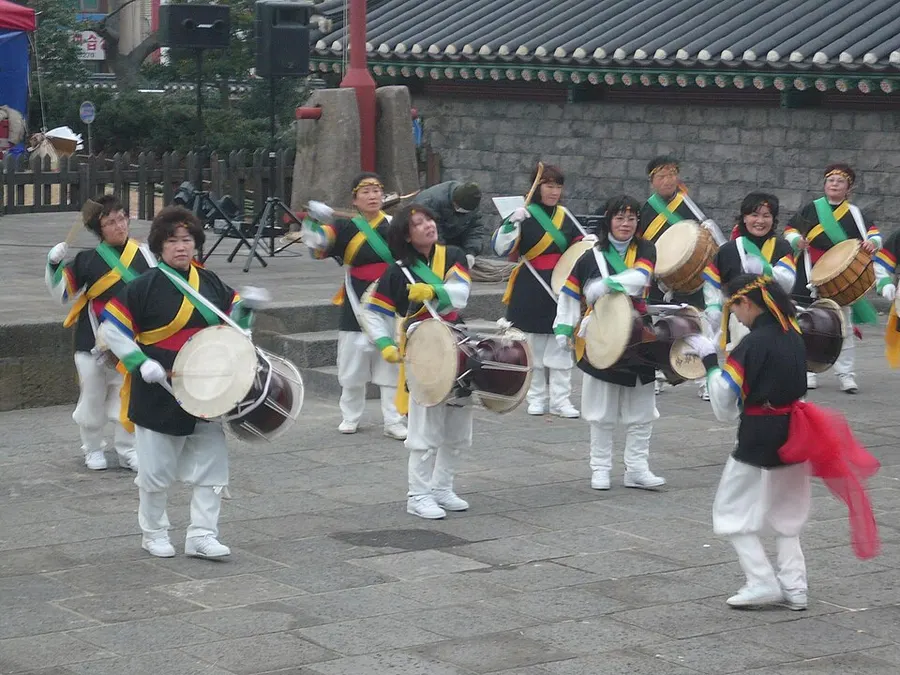
Farmers' Dance of the Korean Ethnic Group
Joseon Dynasty (1392–1910 CE) · unesco
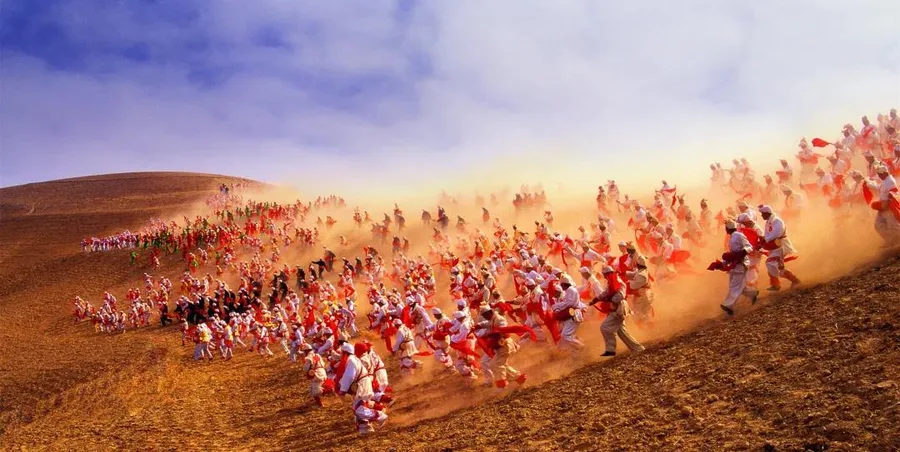
Ansai Waist Drum Dance
Ancient Zhou Dynasty (1046–256 BCE) origins · national
Dragon Lantern Dance
Song Dynasty (960–1279 CE) · national
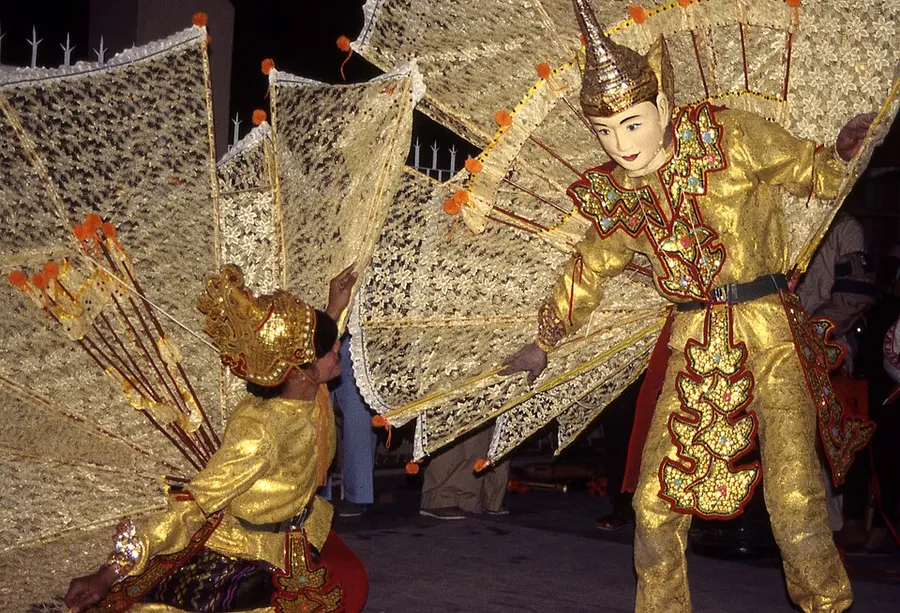
Dai Peacock Dance
Han Dynasty (202 BCE–220 CE) · national
Tibetan Guozhuang Dance
Ancient Tibetan origin · national
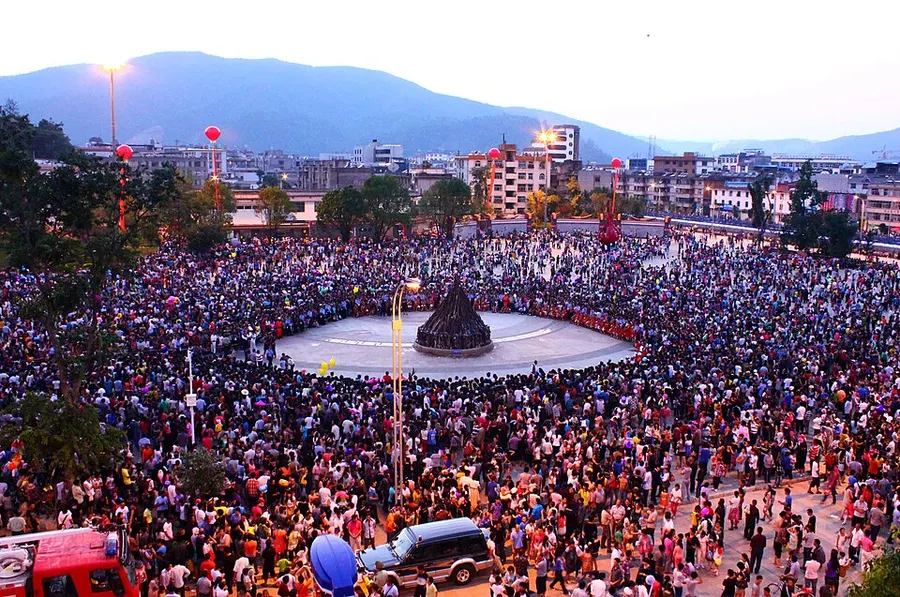
Yi Alili Dance (Axi Tiaoyue)
Ancient Yi tradition · national
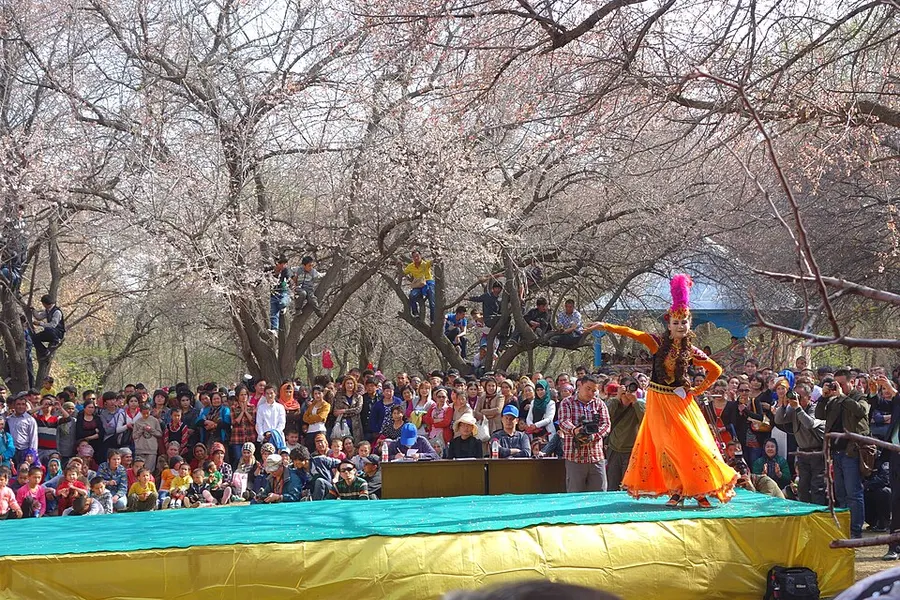
Uyghur Sanam Dance
Qing Dynasty (1644–1912 CE) · national