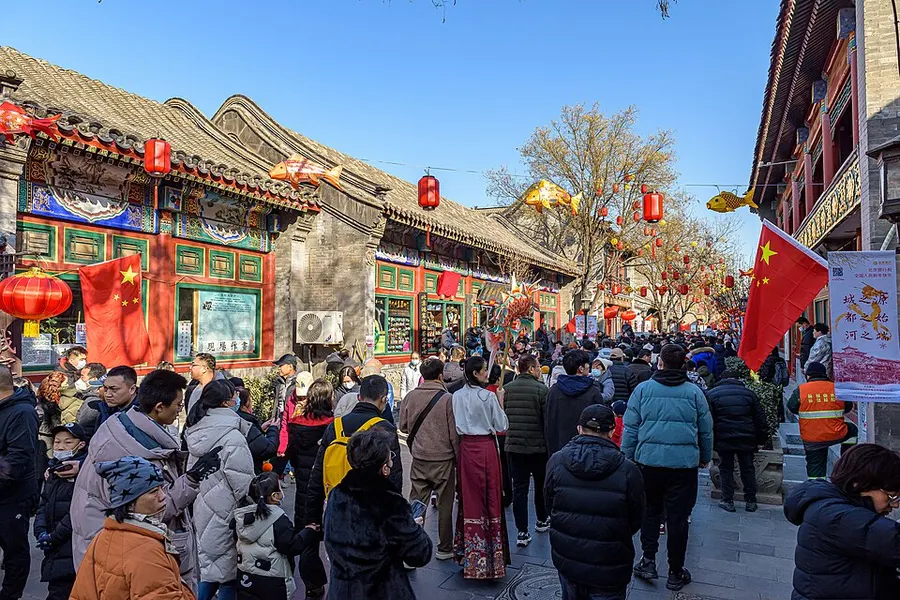
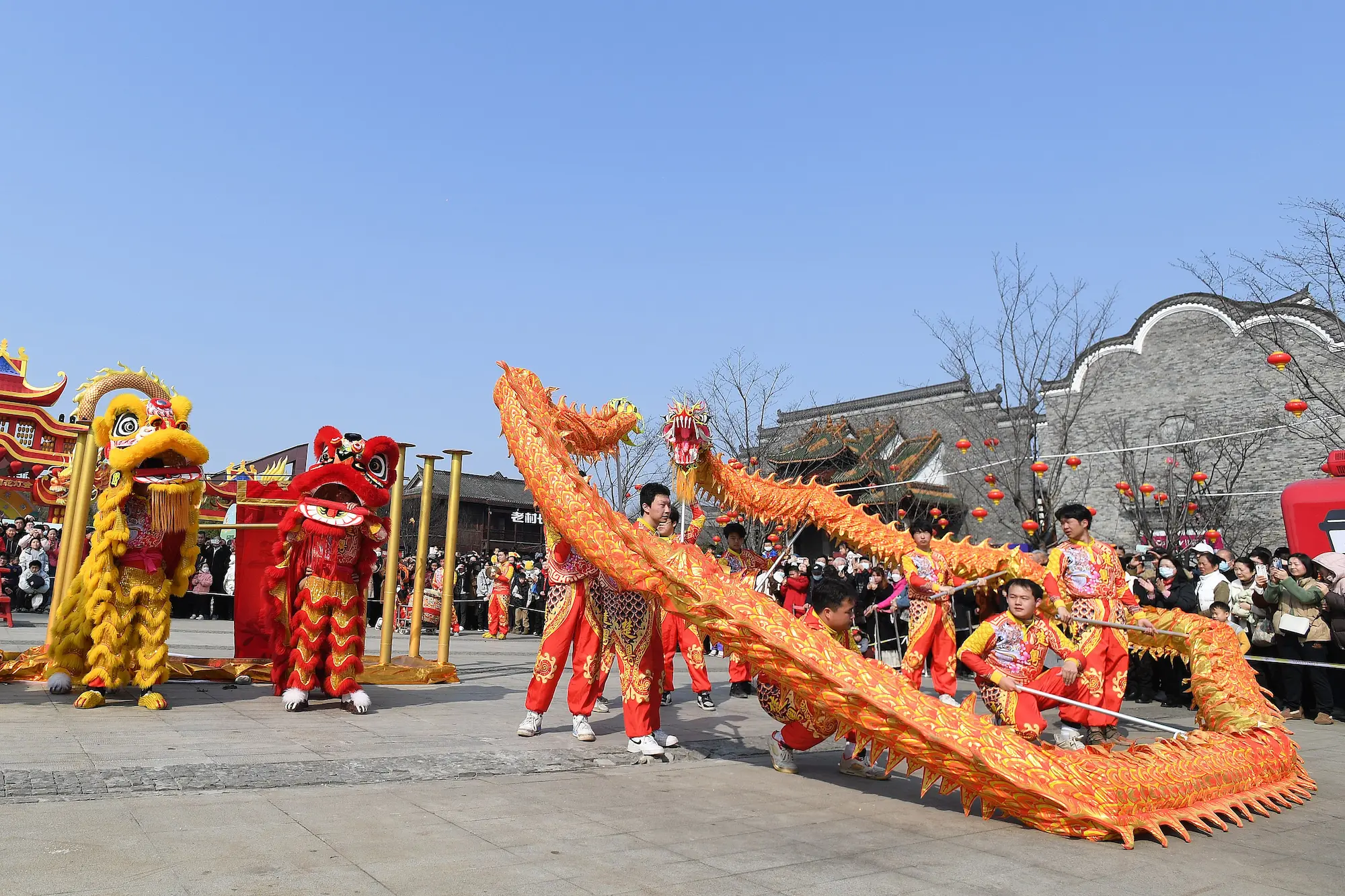
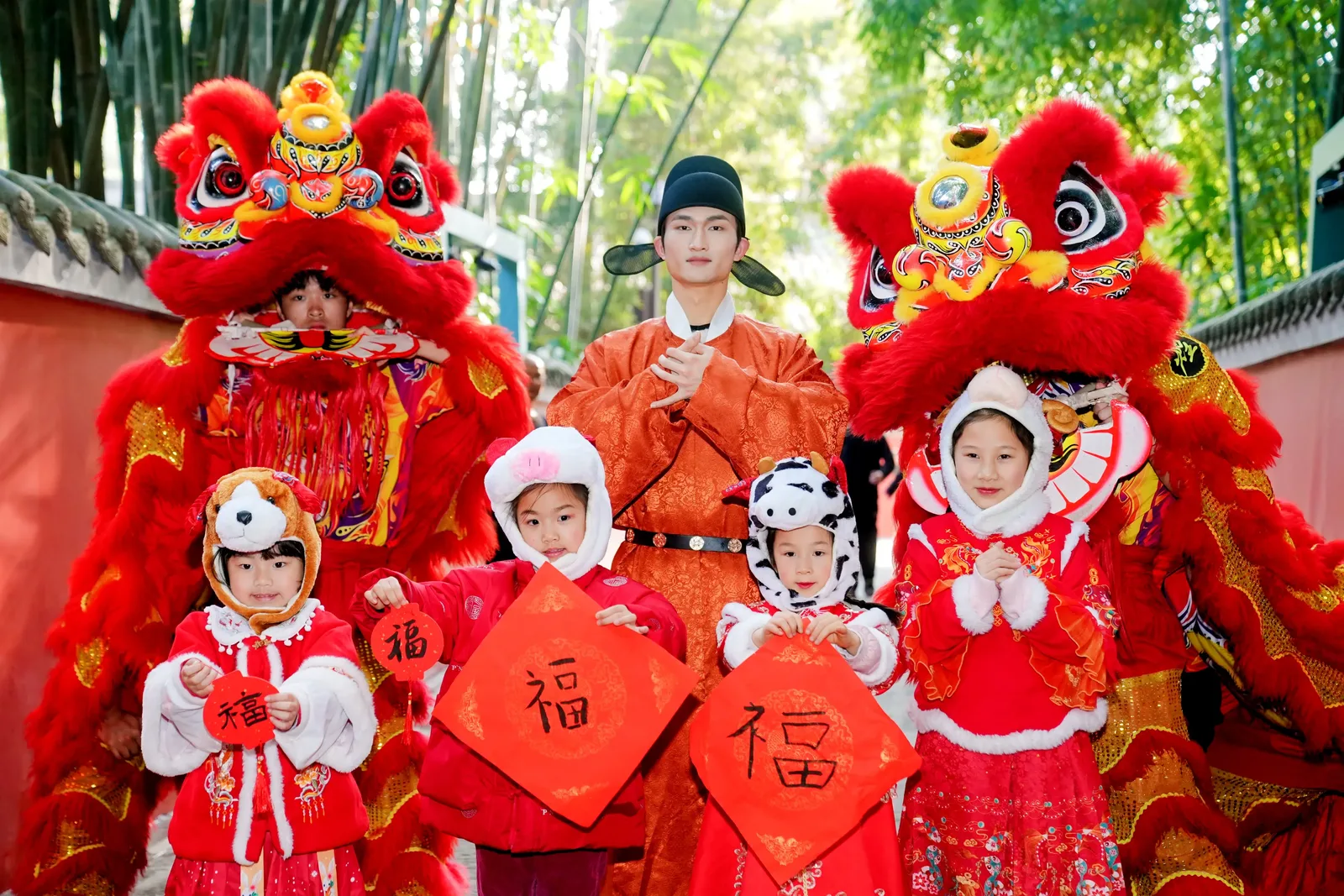
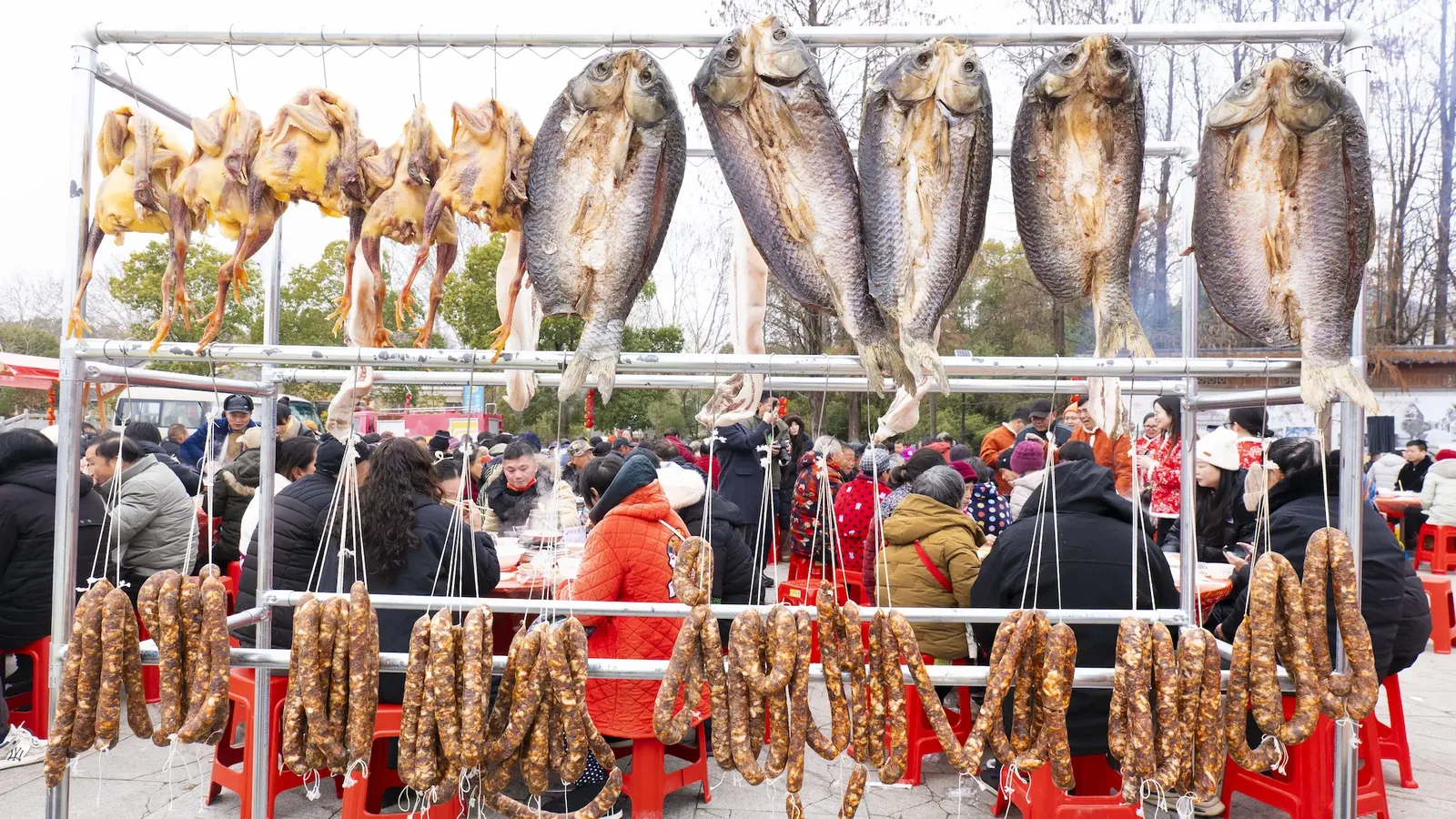
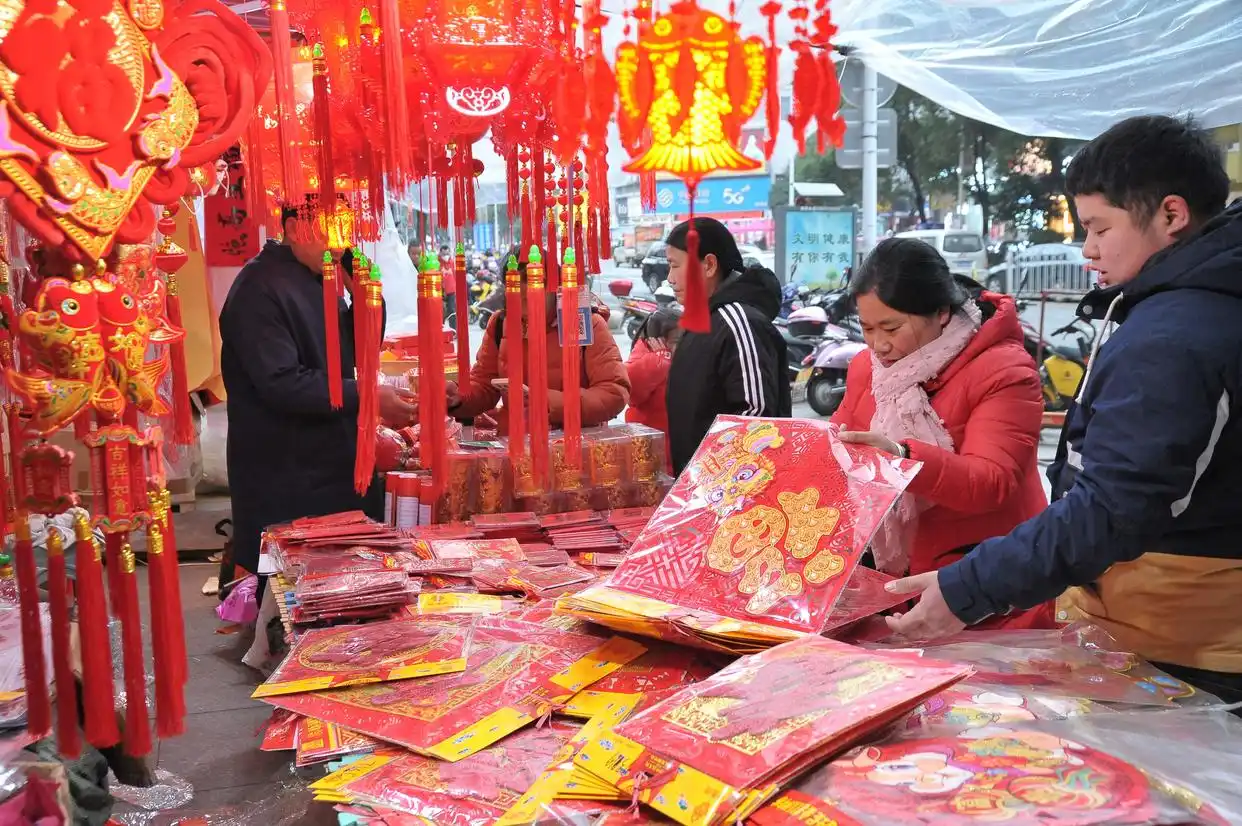
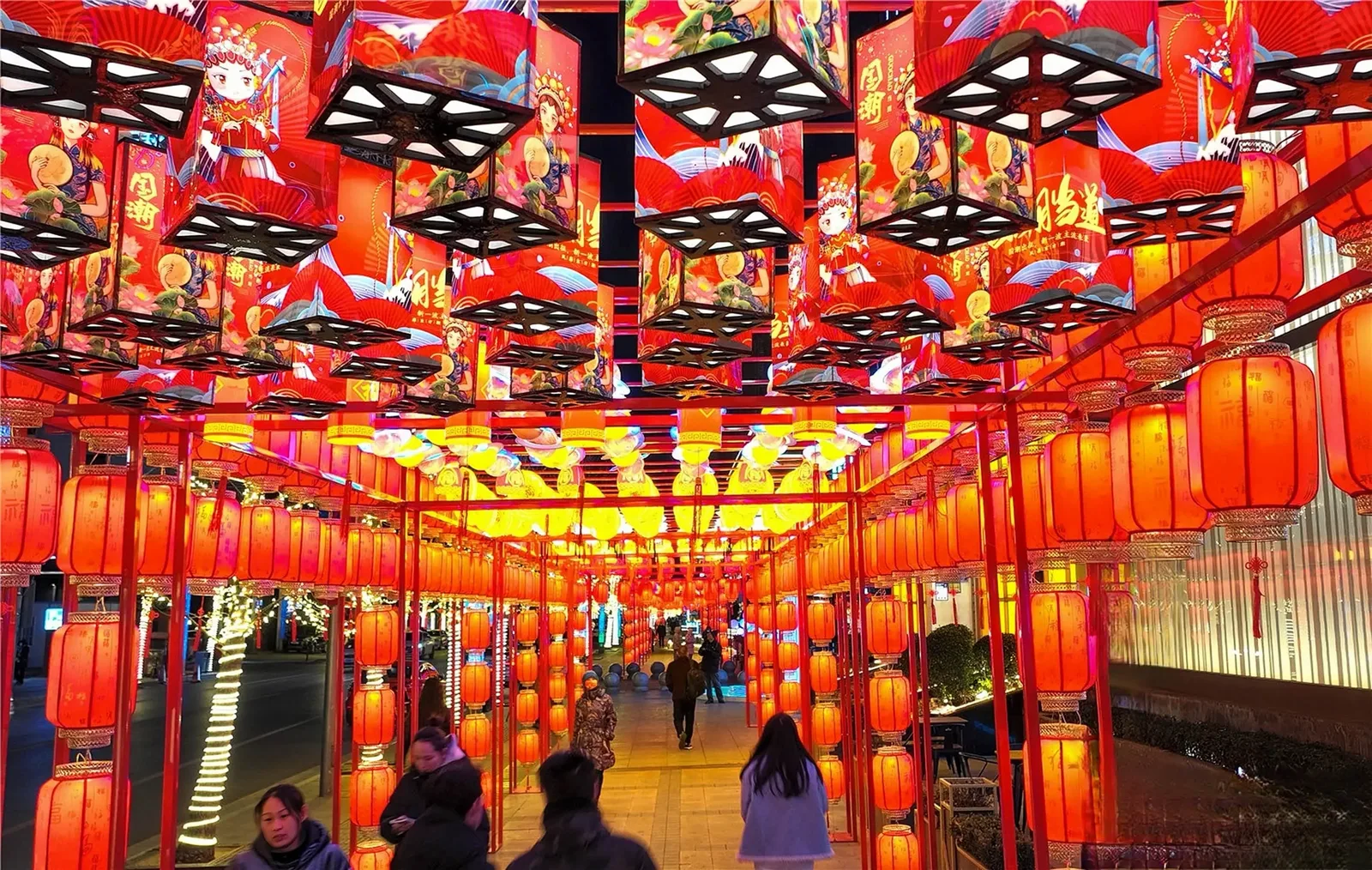
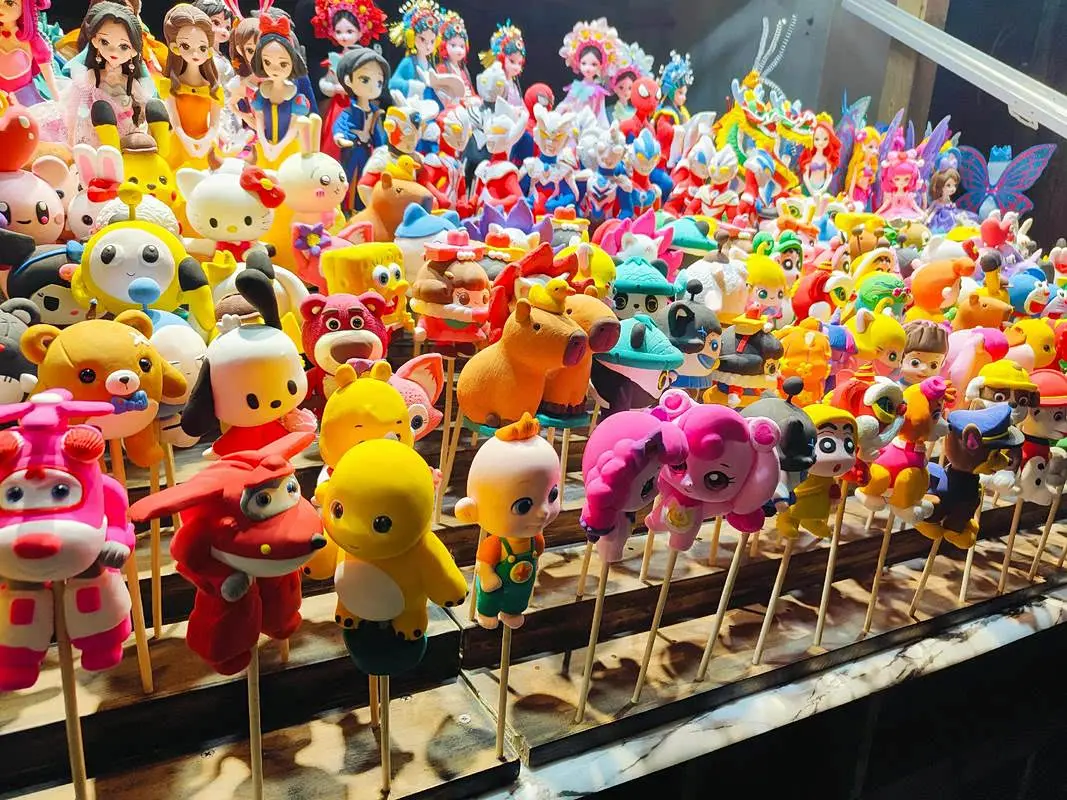
The most important Chinese holiday, celebrated with family reunions, elaborate feasts, red envelopes (hongbao), fireworks, and temple fairs. The festival marks the beginning of the lunar new year and lasts 15 days.
Across China, this festival embodies the deep connection between celestial cycles and human
culture. Its rituals — passed down through countless generations — serve as a living archive
of agricultural knowledge, spiritual belief, and community bonds that define Chinese identity.
calendar_month
Festival Profile
Seasonspring
Lunar Calendar1st day of 1st lunar month
GregorianJanuary–February
Duration15 Days
Next OccurrenceFeb 6, 2027
Themes
RenewalTraditionCommunity
mapGeography of Tradition
One Festival, Many Hearts
Spring Festival (Chinese New Year) is celebrated across China, with each region adding its unique
interpretation while honoring the core traditions. From bustling cities to remote
villages, the festival unites communities in shared remembrance and joy.
The date falls on the first day of the first lunar month, which has no fixed Gregorian equivalent — it lands between 21 January and 20 February. The fifteen-day run is structured like a countdown: preparations build through the final lunar week, days one to five hold the core observances, and the tail belongs to the Lantern Festival. The lunar New Year is one of only two Chinese festivals determined entirely by a moon phase rather than a solar term.
Practical planning matters more than symbolism for most visitors. Chunyun, the forty-day travel rush around the holiday, moves roughly nine billion passenger trips by rail, road, and air as hundreds of millions of workers return to family villages — the largest periodic human migration on earth. Train and domestic flight tickets for the days before Lunar New Year routinely sell out months ahead, while the second half of the holiday is comparatively easy to book.
handyman
How the Fifteen Days Unfold
01
New Year's Eve Reunion Dinner
Families gather on the final evening of the lunar year for nianye fan. Fish, dumplings, and rice cakes are chosen for their names as much as their flavour — see why the Spring Festival serves surplus and wealth.
02
Red Envelopes and Couplets
Elders give hongbao cash in red packets to children, while doorways receive freshly written spring couplets in black ink on red paper, replacing the peach-wood charms of antiquity.
Why does the Spring Festival date change every year?add
It follows the lunisolar calendar, so it falls on the first new moon between January 21 and February 20. The twenty-four solar terms keep agricultural seasons aligned despite the shifting date.
How long is the Spring Festival and what happens each day?add
It runs fifteen days. The last day of the lunar year is nianye fan, days one to three carry the household rituals and ancestor offerings, days four to five hold public processions, and the Lantern Festival closes the season on day fifteen.
When should I book travel to see the Spring Festival?add
Book as early as you can — chunyun travel rush is the busiest period of the Chinese year. The days before Lunar New Year sell out months in advance; the second week of the holiday is much easier and the festivities continue.
What is chunyun?add
Chunyun is the forty-day travel rush around the holiday, the largest annual human migration on record, moving about nine billion trips by rail, road, and air.
smart_displayAudiovisual
Watch & Learn
Oral Tradition
Stories & Legends
Narratives from the atlas graph that share origins, practitioners, or settings with this topic.
Long ago, a monster called Nian (meaning "year") would descend from the mountains every New Year's Eve to devour villagers and livestock. The people discovered Nian feared the color red, bright light, and loud noises. They began decorating their homes in red, lighting lanterns and firecrackers to drive Nian away. This tradition evolved into the Spring Festival customs observed today.
The year-season customs are ancient; the name Spring festival is comparatively recent. Most of what people mean by the festival has been practised for far longer than it has been called by that word.