The culmination of Spring Festival celebrations, marked by elaborate lantern displays, solving lantern riddles, eating tangyuan (sweet rice balls), and lion dances.
Across China, this festival embodies the deep connection between celestial cycles and human
culture. Its rituals — passed down through countless generations — serve as a living archive
of agricultural knowledge, spiritual belief, and community bonds that define Chinese identity.
calendar_month
Festival Profile
Seasonspring
Lunar Calendar15th day of 1st lunar month
GregorianFebruary–March
Duration1 Day
Next OccurrenceFeb 20, 2027
Themes
RenewalTraditionCommunity
mapGeography of Tradition
One Festival, Many Hearts
Lantern Festival is celebrated across China, with each region adding its unique
interpretation while honoring the core traditions. From bustling cities to remote
villages, the festival unites communities in shared remembrance and joy.
The Lantern Festival closes the New Year season on the fifteenth night of the first lunar month — the first full moon of the lunar year. Because it is fixed to a moon phase rather than a solar term, its Gregorian date drifts each year, generally falling between 5 and 19 February. The date is the same day that begins the first month in the traditional counting system, which is why the night is treated as the true end of the holiday rather than an extension of it.
Most of the season happens outside: night fairs, temple grounds, and commercial streets. Han Emperor Wen linked the date to the quelling of a clan rebellion in 180 BCE, and Emperor Ming of Eastern Han ordered lamps lit for the Buddha, which is why temple processions remain part of the night. Large fairs now run for several nights, and the Song capital of Kaifeng mounted riddle contests and lamp-mountains tens of meters tall; the poet Xin Qiji fixed the mood in the twelfth century with "a thousand trees blooming in an east wind of fire," still quoted every February.
handyman
Cultural Traditions
01
Guessing Lantern Riddles
Paper slips of wordplay riddles hang from lantern frames, and correct answers win small prizes. The custom runs all night, and the craft behind the couplets is explained in the Lantern Festival heritage record.
02
Eating Yuanxiao or Tangyuan
Northerners roll fillings through dry glutinous flour while southerners wrap them wet, both producing the round white dumplings whose shape promises family reunion.
03
Lion and Dragon Nights
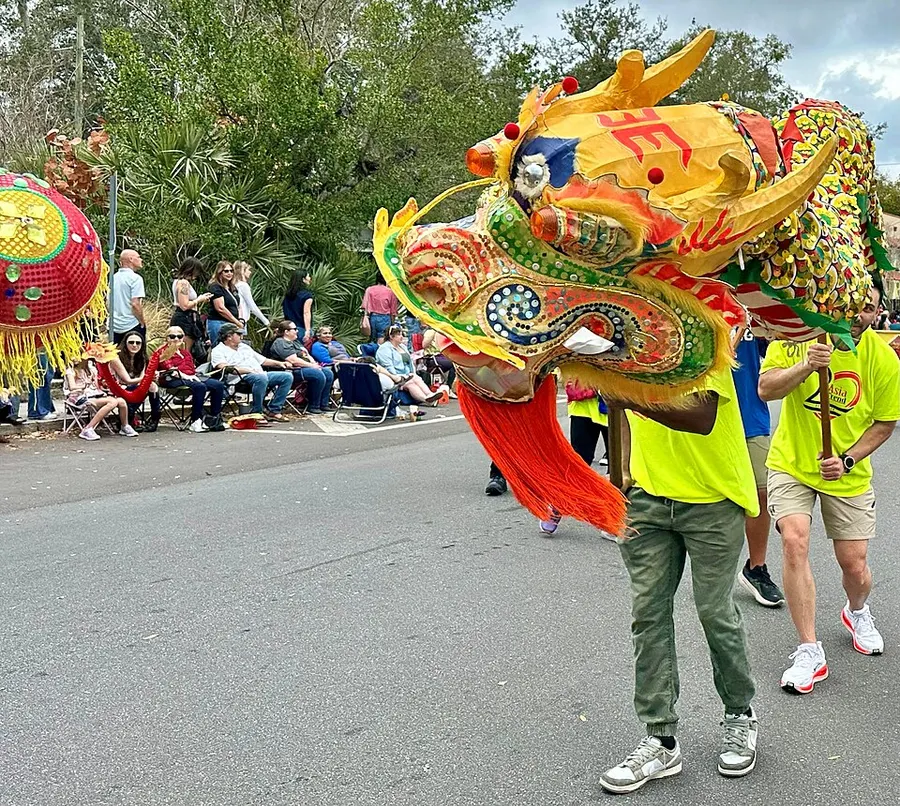
Drum troupes parade lion dances and long dragon lanterns through commercial streets, ending the holiday season with noise meant to wake the fields for spring work.
contact_supportReference
Common Questions
When is the Lantern Festival each year?add
It falls on the fifteenth day of the first lunar month, so the Gregorian date shifts between roughly 5 and 19 February. It always lands on a full moon, which is the one fixed point in the drifting date.
Is the Lantern Festival part of Chinese New Year?add
It is the closing ceremony of the fifteen-day New Year season, sometimes called the "real" Valentine-like night when unmarried youths mingled freely under the lamps.
What is the difference between yuanxiao and tangyuan?add
Same idea, different technique: yuanxiao are rolled dry in northern style, tangyuan wrapped by hand in southern style, with correspondingly different textures.
Where can you still see historic lantern displays?add
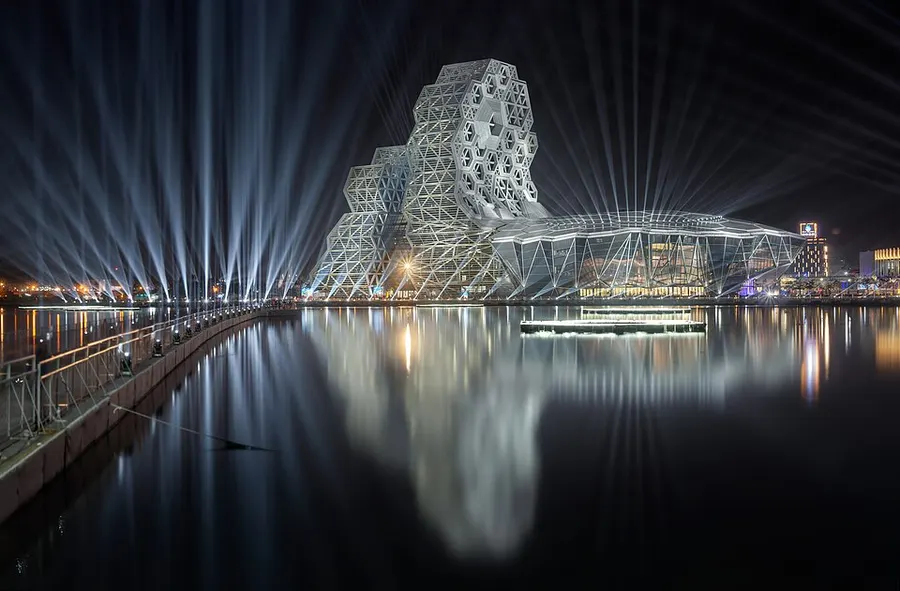
Nanjing's Confucius Temple fair, Zigong's dinosaur-scale lamp park in Sichuan, and Taiwan's annual master-lantern exhibition draw millions each year.
smart_displayAudiovisual
Watch & Learn
Oral Tradition
Stories & Legends
Narratives from the atlas graph that share origins, practitioners, or settings with this topic.
During the Han Dynasty, Emperor Mingdi promoted Buddhism by ordering lanterns lit in palaces and temples. To make the festival more engaging, scholars began writing riddles on lanterns for people to solve. The tradition of lantern riddles (cai dengmi) spread throughout China, combining celebration, wordplay, and intellectual challenge into a beloved Lantern Festival custom.
The year-season customs are ancient; the name Spring festival is comparatively recent. Most of what people mean by the festival has been practised for far longer than it has been called by that word.