Tibetan (藏族)
High-altitude people of the Tibetan Plateau, known for thangka painting, Gesar epic, Tibetan opera, and Buddhist ritual arts.
The Soul of the Tibetan
High-altitude people of the Tibetan Plateau, known for thangka painting, Gesar epic, Tibetan opera, and Buddhist ritual arts.
Cultural DNA
- Identity
- Tibetan
- 藏族
- Population
- 5,500,000
- 0.39% of China
- Status
- Active · Living Tradition
Living Traditions
Intangible knowledge passed through generations.
Tibetan Opera (Ache Lhamo)
PRACTICED_BY_ETHNIC_GROUP
Gesar Epic Tradition
PRACTICED_BY_ETHNIC_GROUP
Regong Arts
PRACTICED_BY_ETHNIC_GROUP
Lum Medicinal Bathing (Sowa Rigpa)
PRACTICED_BY_ETHNIC_GROUP
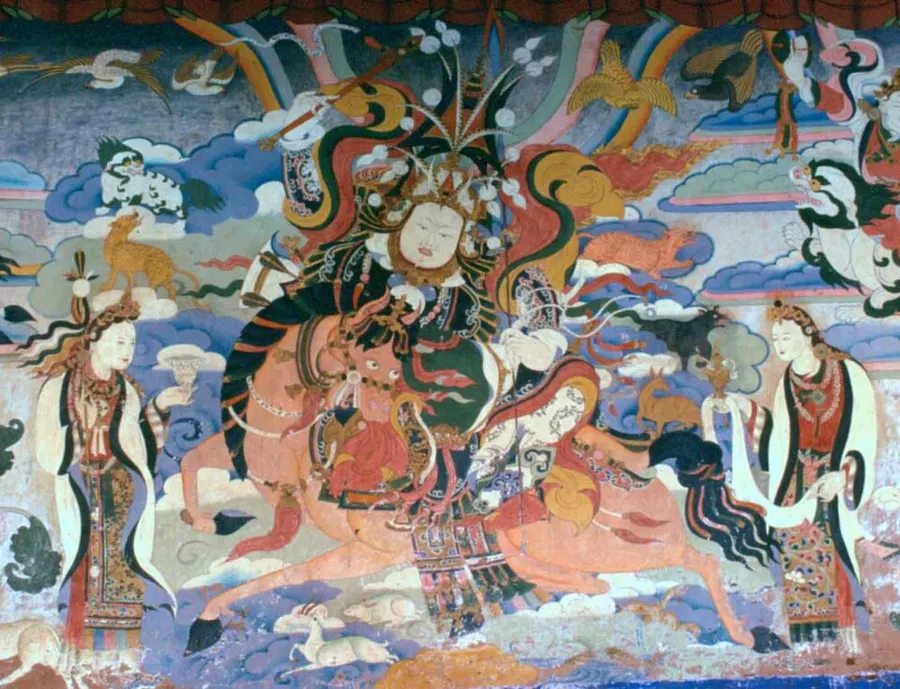
Thangka Painting
PRACTICED_BY_ETHNIC_GROUP
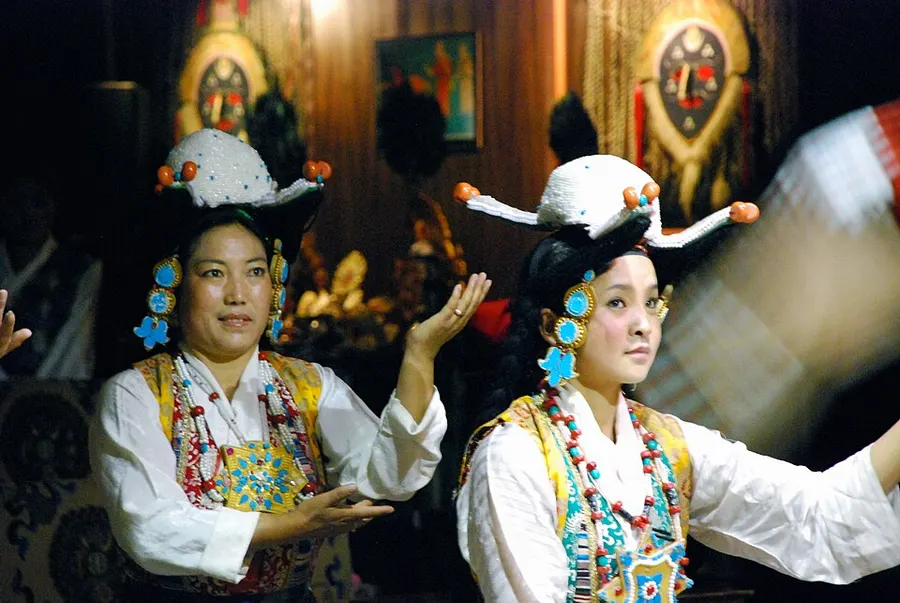
Tibetan Guozhuang Dance
PRACTICED_BY_ETHNIC_GROUP
Neighboring Peoples
The Tibetan share cultural landscapes and historical exchange with neighboring ethnic communities across the region.
The Ritual Cycle
Festivals mark the rhythms of life for the Tibetan — celebrating harvests, honoring ancestors, and strengthening community bonds through music, dance, and feasting.
No festival relations recorded. Explore festival calendar
Cross-Cultural Threads
History & Development
Tibetans number about seven million across the Qinghai-Tibet Plateau and neighboring provinces, descendants of the Tubo Empire that unified the plateau in the 7th century under Songtsen Gampo and introduced a script modeled on Indic letterforms. Buddhism's second transmission from Kashmir and India shaped a monastic civilization whose libraries, thangka painting schools, and opera traditions doubled as instruments of education and governance for a thousand years.
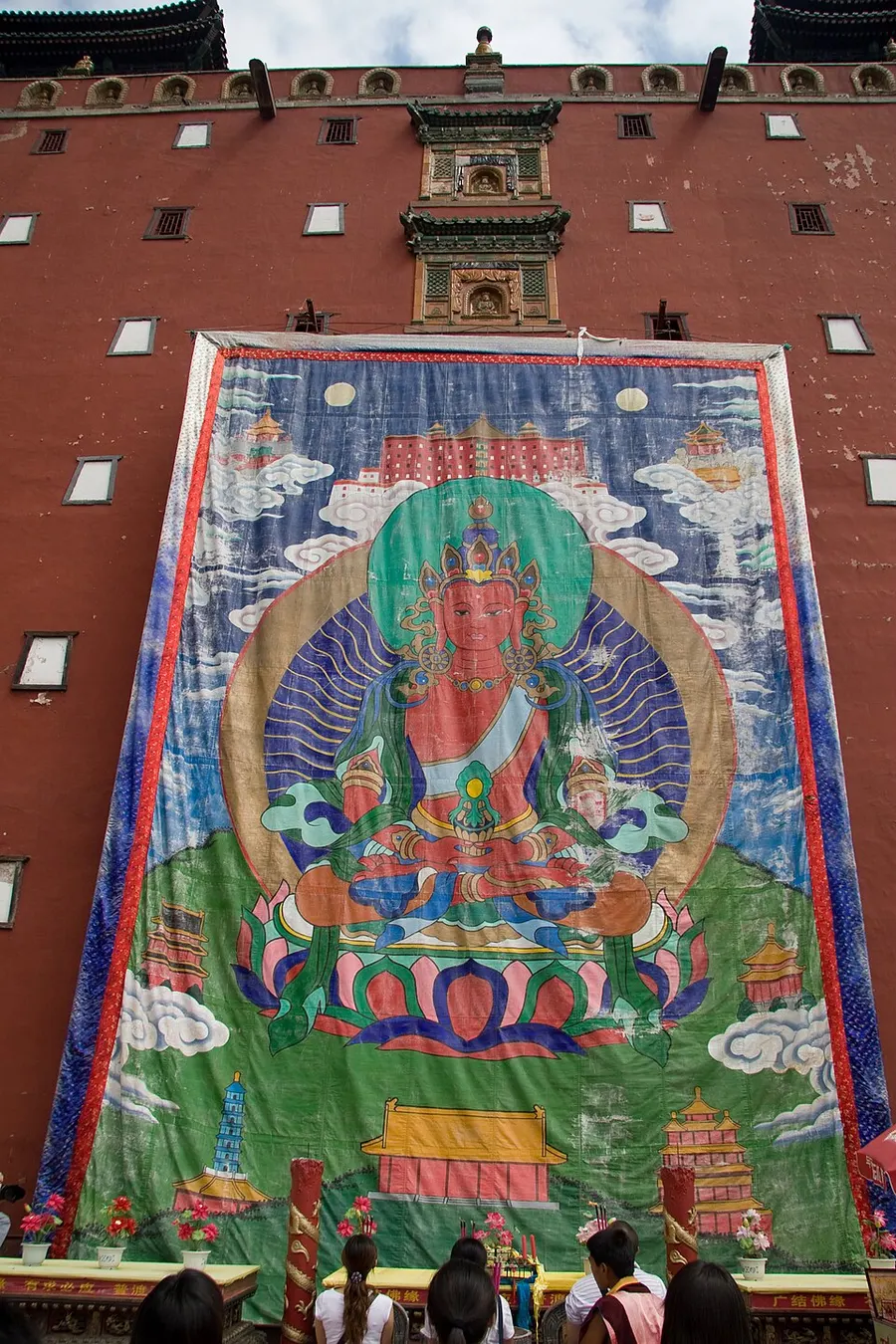
Modern heritage recognition centers on performing and narrative arts: Tibetan opera (lhamo) and the Gesar epic — the world's longest living oral poem, over a million verses in recorded sections — joined UNESCO's representative list in 2009. Regional identity remains strongly local — U-Tsang, Amdo, Kham each carry distinct dress, dialects, and dance idioms — while the Shoton festival's yoghurt feast and monastery unveilings draw tens of thousands to Lhasa every late summer.
Cultural Pillars
- 01
Lhamo Opera
Masked open-air drama running about six hours for a single play, blending chanted narrative, dance cycles, and comic relief; troupes perform annually during the Shoton season after monastic restrictions lifted.
- 02
Gesar Epic Recitation
Illiterate and literate bards alike perform episodes of the warrior king Gesar, some claiming dream-initiated repertoires; recordings now archive hundreds of hours across four provinces.
- 03
Thangka Painting
Mineral-pigment scroll painting governed by strict iconometric grids; apprentices grind lapis and malachite themselves, and a single large canvas may take years to complete.
- 04
Guozhuang Circle Dance
Village evenings close with linked-arm circles — slow opening verse, accelerating footwork — performed at weddings and harvests from Chamdo to Gyirong.
Common Questions
What is the Shoton Festival?
Lhasa's late-summer "yoghurt festival," originating in monastic summer retreats when laypeople offered yoghurt to monks. It now combines Buddha-unveiling ceremonies, Tibetan opera tournaments, and picnic outings.
How long is the Gesar epic?
Recorded repertoires exceed a million verses across 100-plus episodes, making it longer than the Iliad and Odyssey combined many times over. Bards improvise within fixed story arcs; start with Gesar epic.
Why do opera performers wear masks?
Masks code character instantly — white for purity and kindness, blue for warriors, red for kings and ministers, half-white-half-black for the deceitful trickster — letting open-air audiences follow plots at distance; the craft survives in Tibetan opera mask workshops in Lhasa and Shigatse.
Watch & Learn
From the Archive
Photographs documenting the materials, makers, and settings behind these traditions.