Qiang (羌族)
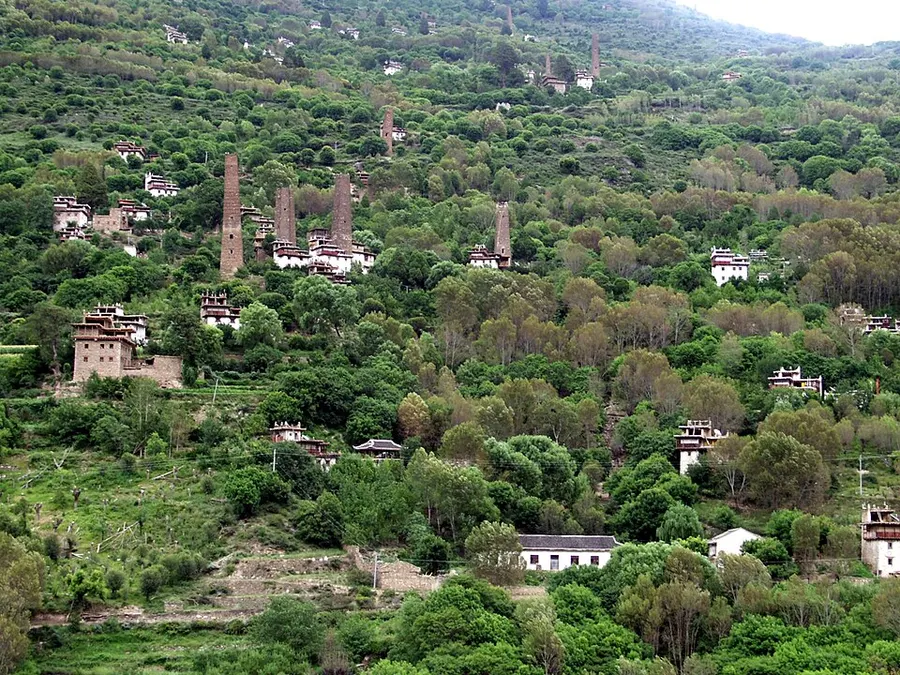
Highland people of Sichuan, known for Qiang New Year, multi-part folk singing, and traditional stone-block watchtower construction.
The Soul of the Qiang
Highland people of Sichuan, known for Qiang New Year, multi-part folk singing, and traditional stone-block watchtower construction.
Cultural DNA
- Identity
- Qiang
- 羌族
- Population
- 310,000
- 0.02% of China
- Status
- Active · Living Tradition
Living Traditions
Intangible knowledge passed through generations.
Neighboring Peoples
The Qiang share cultural landscapes and historical exchange with neighboring ethnic communities across the region.
The Ritual Cycle
Festivals mark the rhythms of life for the Qiang — celebrating harvests, honoring ancestors, and strengthening community bonds through music, dance, and feasting.
No festival relations recorded. Explore festival calendar
Cross-Cultural Threads
History & Development
The Qiang, about 310,000 people, farm high valleys of the Min River in Sichuan's Aba prefecture — Wenchuan, Maoxian, Lixian — where oracle-bone inscriptions already name their ancestors 3,000 years ago. Called the "cloud-reachers" for stone villages perched above river fog, they preserved Tibeto-Burman speech, white-quartz worship, and the shibi priesthood that mediates heaven through chant, bell, and goat bone.
Catastrophe and recognition intertwined: after the 2008 Wenchuan earthquake destroyed whole stone villages, heritage funding accelerated protection of Qiang watchtower construction, embroidery, and the Qiang New Year — inscribed by UNESCO on the Urgent Safeguarding List in 2009 and upgraded to the Representative List in December 2024, the same ceremony that graduated Li textiles. Watchtowers up to thirty meters still crown valley confluences, some standing since Ming garrison days.
Cultural Pillars
- 01
Watchtower Masonry
Rubble-and-slate towers taper inward without mortar cores, surviving millennia of earthquakes; master masons fit stones dry and key them with timber tie beams.
- 02
Shibi Ritual Chant
Priests recite creation epics and sacrifice verses from memory across night-long sessions, shaking deer-horn bells — oral libraries of cosmology and law.
- 03
Qiang Embroidery
Cloud-collar collars, embroidered shoes ("cloud-cloud shoes"), and apron panels stitch petroglyph-derived motifs in red-white contrast on homespun.
- 04
White Quartz Worship
Household towers place snow-white quartz stones as roof shrines honoring the sky god Mubita — stones believed to be the petrified gift that saved ancestors from demons.
Common Questions
What is the Qiang New Year?
The tenth-lunar-month harvest thanksgiving closing with shibi blessings, goat sacrifice, and all-night circle song. UNESCO listed it urgently in 2009; December 2024 brought graduation to the Representative List — read more at Qiang New Year.
How do watchtowers survive earthquakes?
Dry-set masonry flexes rather than cracks — stones bedded without rigid mortar redistribute shake energy, and tapering walls lower the center of gravity, lessons geologists studied after 2008.
Who are the shibi?
Village priest-practitioners trained by apprenticeship in chant, divination, and sacrifice; unlike written clergy they carry entire liturgies orally, performing rites that bind households, mountains, and ancestors across the western mountains.