Traditional Crafts
Suzhou, East China
6th century CE, Northern Dynasties
Representative List
Master-Apprentice (Hands-on)
Chinese Paper-Cut Techniques
Chinese Paper-Cut
"An ancient folk art of cutting intricate designs from paper — window decorations, wedding ornaments, and symbols of good fortune."
CIVILIZATION CONTEXT
This artifact is part of the Intangible Heritage Cluster. It connects to 8 entities across the atlas, spanning 1 region, 1 master, 0 festivals, and 1 skill.
Chinese Paper-Cut: A Living Heritage
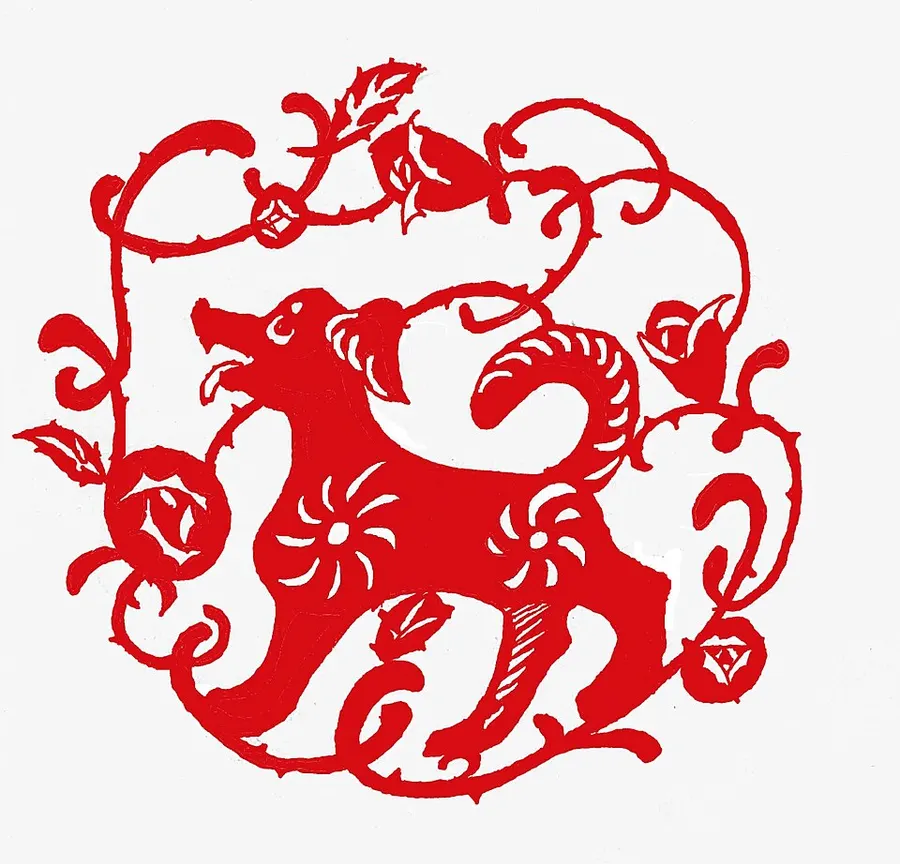
Chinese paper-cut (jianzhi) is the art of cutting intricate designs from paper using scissors or knives. Dating back to the 6th century, it is one of China's most popular folk arts. Paper-cuts are used for window decorations, door signs, and wedding ornaments. Designs often feature auspicious symbols — bats (good fortune), fish (abundance), and peonies (wealth). Regional styles vary from the delicate detail of Yangzhou to the bold shapes of northern Shaanxi.
1
Related Cultural Vectors
History & Development
Cut paper art survives from the Northern dynasties in flower-shaped finds from Astana tombs near Turpan, proving the craft was mature by the sixth century. Song cities supported professional cutters who sold window blossoms and lantern decorations, and Ming wedding kits included cut symbols for every household rite.
Regional schools split by tool and taste: northern farmers cut bold single sheets with scissors while southern workshops carve stacked pages with small knives. UNESCO inscribed Chinese paper-cut on the Representative List in 2009, noting its role in weddings, funerals, and spring festivals alike.
How It Is Made
- 01
Drafting and folding
Designers sketch motifs on thin paper folded once or several times so one pass yields symmetric pairs or rosettes.
- 02
Stacking the sheets
Knife styles press up to twenty sheets together over wax boards, cutting a whole edition at once with straight and slanted blades.
- 03
Releasing the design
Negative space holds the image together, so carvers plan connecting bridges before freeing each petal, scale, and feather.
- 04
Pasting for the season
Finished cuts go on windows, dowry chests, and shrine frames; dyed versions brighten southern windows while red dominates northern New Year displays.
Common Questions
Why do fish and peonies recur?
Homophones drive symbolism: fish sounds like surplus, peony implies rank and prosperity. A single sheet can stack wishes for harvest, sons, and longevity.
Scissors or knife?
Northern folk artists favour freehand scissor cutting in a few strokes, while southern masters such as those in Foshan carve layered stacks for lacelike precision.
Which paper works best?
Thin, absorbent sheets cut cleanly and dye well, which links the craft to Xuan paper production techniques inscribed on the UNESCO list in 2009.
Watch & Learn
Stories & Legends
Suzhou Embroidery: A Needlepoint Universe
historicalWhere a single silk thread splits into 32 strands to create fabric art.
Skills & Techniques
Chinese Paper-Cut Techniques expand_more
The art of cutting paper into intricate designs using scissors or knives, with distinct regional styles and symbolic motifs.
Steps
- Select thin, tough paper (xuan paper or specialty colored paper)
- Sketch the design lightly in pencil
- Fold paper for symmetrical patterns
- Cut outer outline with scissors
- Carve interior details with a knife on a cutting mat
- Mount the finished cut on backing paper or frame
Tools
scissors (fine-tipped), paper-cutting knife, cutting mat, pencil, tweezers, mounting brush
Materials
xuan paper, colored art paper, rice paste, mounting silk
Related Places
Generations Preserved
Ji Yun
Ji Yun is a paper-cut artist from Yangzhou, Jiangsu Province, renowned for her delicate "needle-pierced" paper-cut style. Unlike the bold cuts of northern China, Yangzhou style emphasizes intricate de...
Relationship Constellation
Tracing the invisible threads that connect Chinese Paper-Cut to the broader civilization ecosystem.
Continue the Journey
Chinese Paper-Cut
Traditional Crafts
Shu Embroidery
Traditional Crafts
arrow_forwardLongquan Celadon
Traditional Crafts
arrow_forwardYangge Dance
Traditional Dance
arrow_forward