
Tibetan Opera: Masks of the Himalayas
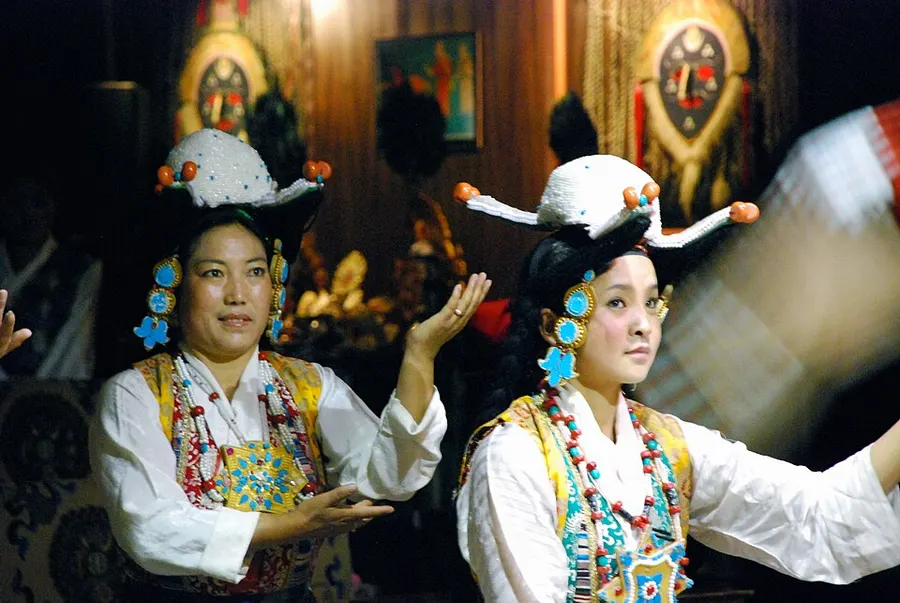
historicalAt 4,000 meters, a masked opera has been performed for over 600 years.
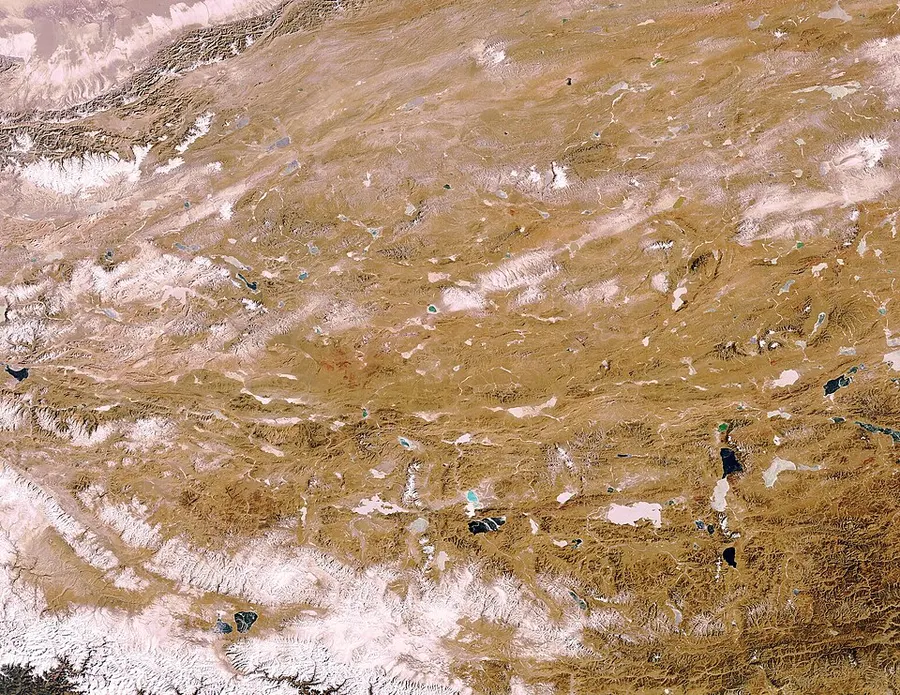
The high-altitude region of Tibet and Qinghai, the heartland of Tibetan Buddhism, thangka painting, Gesar epic, Tibetan opera, and medicinal bathing traditions.
The high-altitude region of Tibet and Qinghai, the heartland of Tibetan Buddhism, thangka painting, Gesar epic, Tibetan opera, and medicinal bathing traditions.
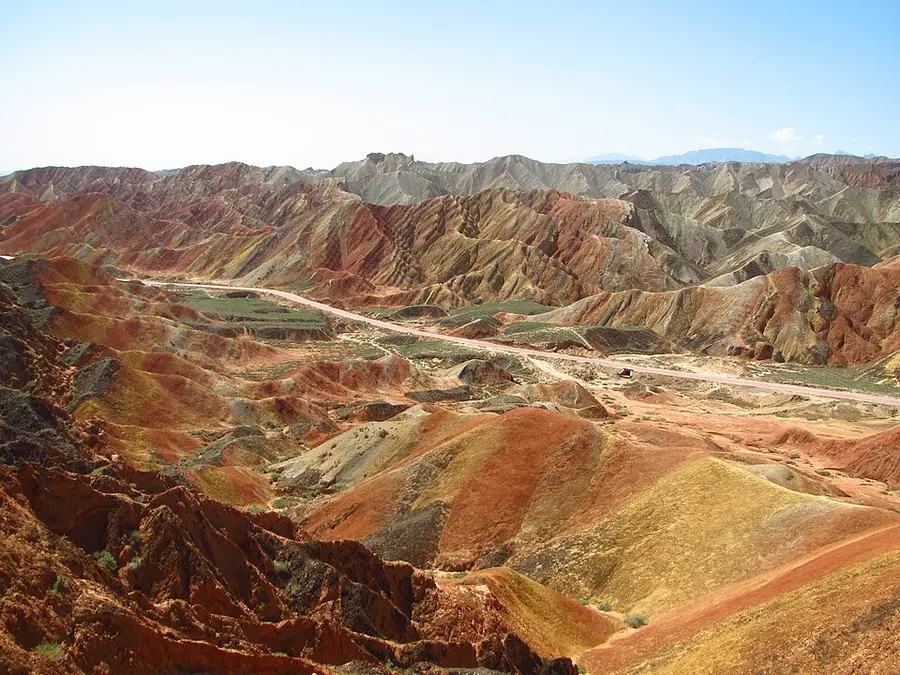
For millennia, this region has been a crucible of Chinese civilization — shaping the arts, traditions, and cultural expressions that define the heritage of the nation. Its landscape, from mountain ranges to river valleys, has fostered distinct local practices that continue to thrive in the modern era through the dedication of master artisans, performers, and cultural custodians.
The Historical Arc of Tibetan Plateau
Pre-1000 BCE
1000-221 BCE
221 BCE-960 CE
960-1912 CE
1912-Present
Heritage practices that continue to shape cultural life in Tibetan Plateau
Masters of Tibetan Plateau
View ArchiveNo master inheritors recorded for this region. Browse all masters
The rhythm of life in Tibetan Plateau follows a seasonal wheel. Traditions are rituals performed in harmony with the arrival of spring rains or the first autumn frost. Each season brings a specific sensory palette — the scent of new tea, the sight of lotuses in classical ponds, the sound of bells in mountain temples.
Harvesting the most prized Pre-Qingming tea buds.
Traditional family gatherings centered around rice wine and poetry.
Cultural Core
Geographic Center
拉萨
青海省
西藏自治区
"A landscape where mountains and rivers have shaped the cultural identity of a civilization."
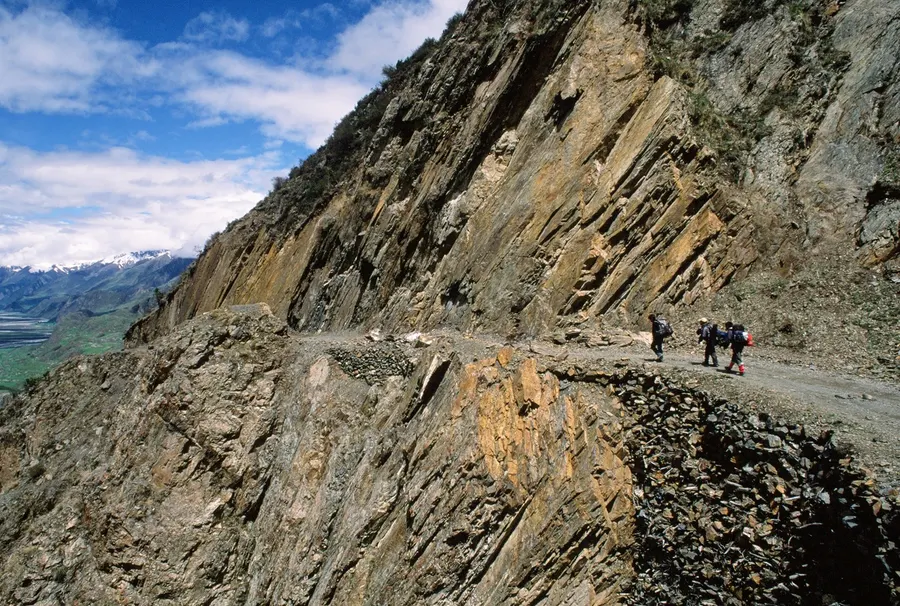
Averaging 4,500 metres above sea level, the Tibetan Plateau is the highest inhabited region on Earth, and its culture engineered for altitude is unmistakable: barley roasted into tsampa, butter tea churned for calories, and yak hair tents dyed against ultraviolet cold. Politically unified from the 7th century under Songtsen Gampo’s Tubo empire, the plateau converted imported literacy — a script devised around 630 CE modeled on Indic letterforms — into one of the world’s great translation cultures, absorbing Buddhist texts wholesale and building monastic universities to house them.
Monumentality followed doctrine. The Potala Palace, begun in 1645 over Lhasa’s Red Hill, stacks thirteen storeys of white and red walls into the highest ancient palace complex on Earth and anchored the UNESCO inscription of 1994 that later expanded to include Jokhang Temple and Norbulingka. Sacred art remained a living discipline: thangka painting follows fixed iconometric grids yet admits regional schools such as Regong, inscribed by UNESCO in 2009, and monastic courtyards stage masked opera each summer during Shoton. Pastoral mobility — seasonal migration between valley fields and alpine pastures — still organizes calendars across Tibetan communities from Amdo to Kham.
Roasted barley flour kneaded with churned brick tea and yak butter delivers portable calories; guests receive refills as a measure of hospitality.
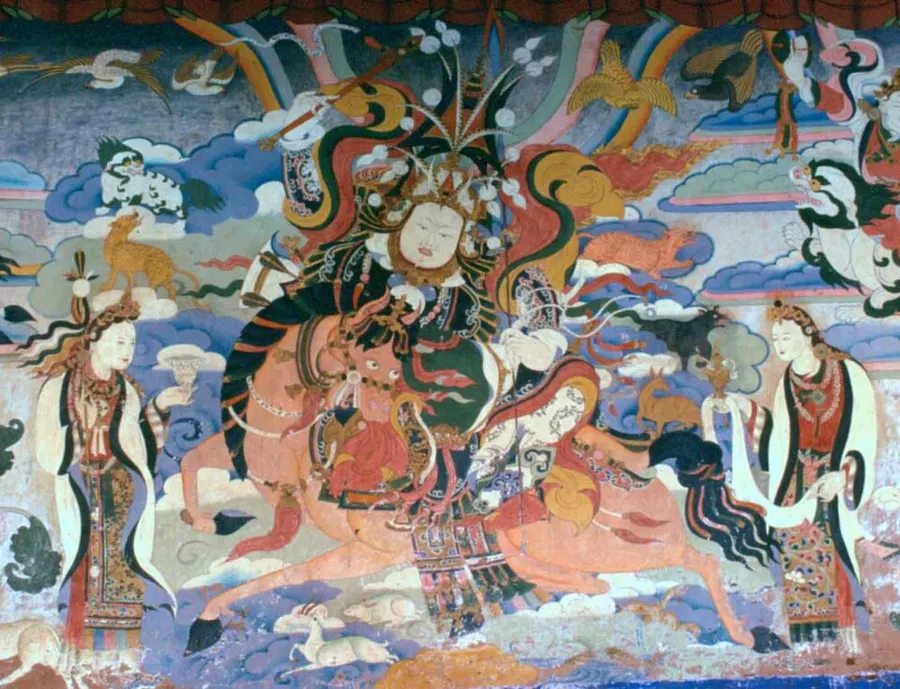
Thangka proportions derive from canonical grids measured in finger-widths; pigments grind mineral lapis, malachite, and cinnabar into scroll paintings meant for meditation.
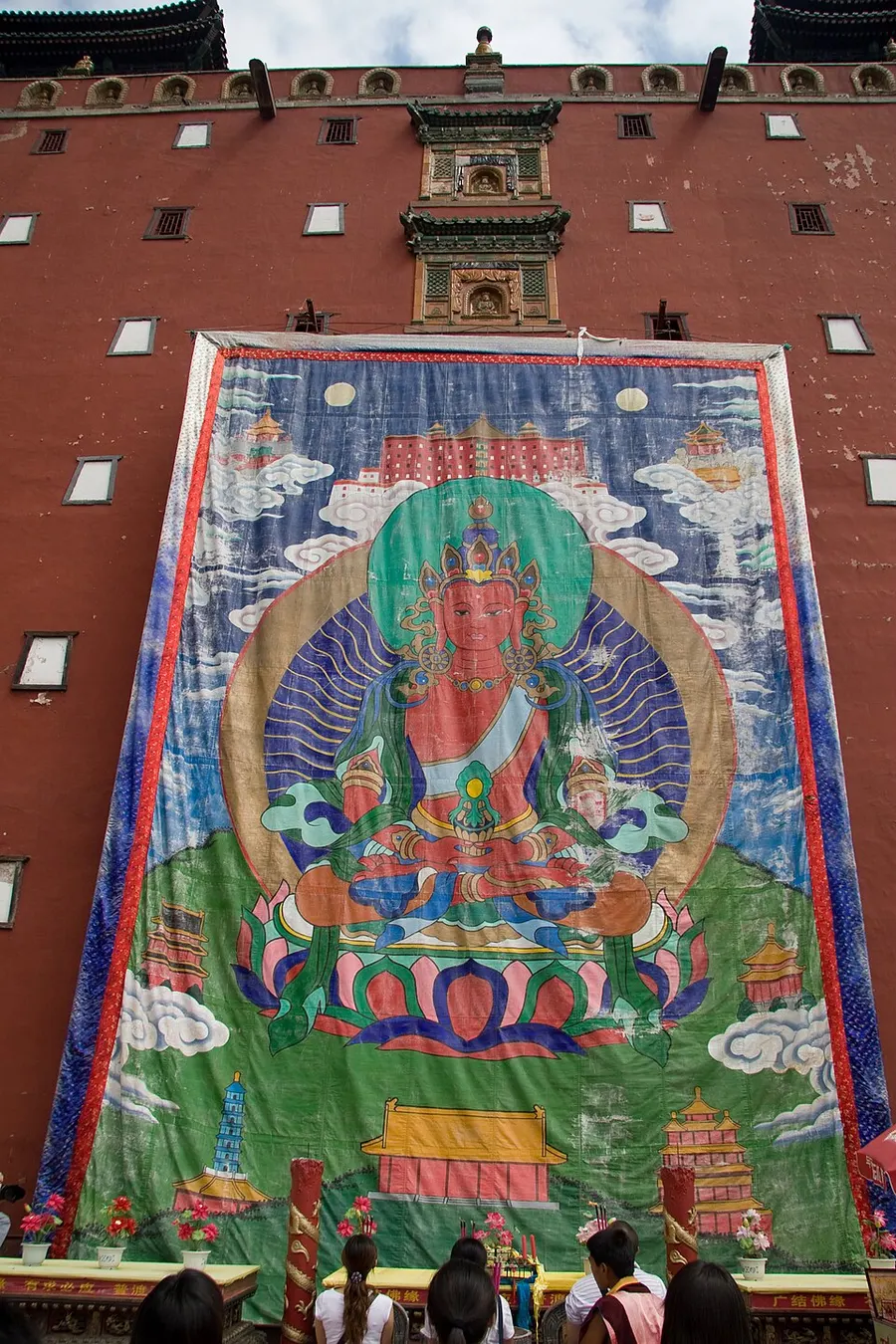
Shoton ("yoghurt festival") opens each August with thangka unveilings at Drepung, then lhamo troupes perform all-day epics in park gardens.
Herders move yaks between winter valleys and summer meadows on schedules tied to grass altitude, weaving wool for tents while milk feeds cheese and tea.
Calorie-dense staples, layered yak-wool clothing, and architectural heat retention answer thin air and frost. Barley grows up to roughly 4,000 metres — higher than any other staple cereal — making tsampa the caloric foundation, supplemented by butter tea that supplies fat and fluid simultaneously.
It integrates fortress, monastery, and treasury in thirteen storeys rising 117 metres over Lhasa, with walls sloping inward like a mountain. Begun in 1645 for the Fifth Dalai Lama, it preserved original murals, tombs, and libraries intact enough to anchor the 1994 UNESCO listing.
A thangka is a portable religious scroll painting executed on sized cotton with mineral pigments, proportioned by strict iconometric grids. Training traditionally lasts years inside workshop lineages; Regong artists of Qinghai, recognized by UNESCO in 2009, are among the most celebrated living schools.
Narratives from the atlas graph that share origins, practitioners, or settings with this topic.
At 4,000 meters, a masked opera has been performed for over 600 years.
Photographs documenting the materials, makers, and settings behind these traditions.