Hezhen (Nanai) (赫哲族)
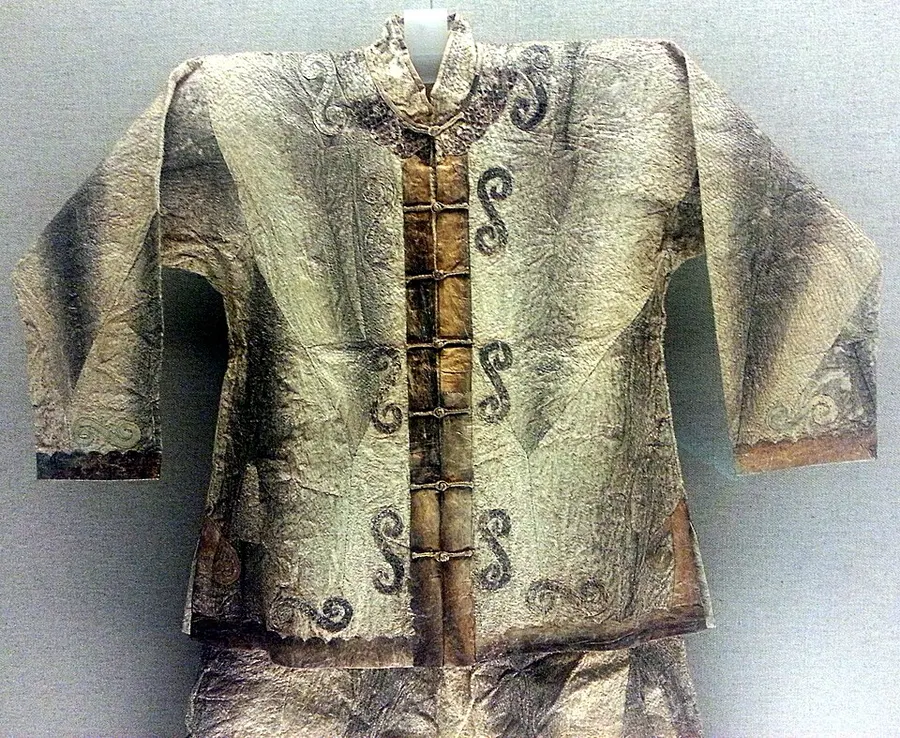
Fishing people of the Amur River in Heilongjiang, one of China's smallest minorities, known for Yimakan storytelling and fish-skin clothing.
The Soul of the Hezhen (Nanai)
Fishing people of the Amur River in Heilongjiang, one of China's smallest minorities, known for Yimakan storytelling and fish-skin clothing.
Cultural DNA
- Identity
- Hezhen (Nanai)
- 赫哲族
- Population
- 5,400
- 0.00% of China
- Status
- Active · Living Tradition
Living Traditions
Intangible knowledge passed through generations.
Neighboring Peoples
The Hezhen (Nanai) share cultural landscapes and historical exchange with neighboring ethnic communities across the region.
The Ritual Cycle
Festivals mark the rhythms of life for the Hezhen (Nanai) — celebrating harvests, honoring ancestors, and strengthening community bonds through music, dance, and feasting.
No festival relations recorded. Explore festival calendar
Cross-Cultural Threads
History & Development
The Hezhen, fewer than 5,400 people by recent counts, fish the Amur, Sungari, and Ussuri rivers of Heilongjiang — among China's smallest officially recognized nationalities. Salmon-run life shaped everything: skin boats stitched from hide, summer fish-skin garments waterproofed by repeated kneading, and dog teams wintering on river ice. Language survives mostly among elders, spoken by perhaps a few dozen fluently.
Their epic chanting art, Yimakan, carried clan histories, hunting law, and shaman narratives in alternating speech and melody; UNESCO placed it on the Urgent Safeguarding List in 2011 with only a handful of master singers remaining. State programs since certified younger inheritors — including women breaking a male tradition — while fish-skin tailoring, nationally listed in 2006, evolved from clothing necessity into couture exhibited in Beijing and Paris.
Cultural Pillars
- 01
Yimakan Storytelling
Bards alternate declaimed narrative and sung commentary across multi-night epics of heroes and spirits; teaching now runs through county inheritors' studios with recorded archives.
- 02
Fish-Skin Tailoring
Salmon skins dried, softened, and sewn with sinew become coats, shoes, and bags embossed by scale texture — craft revived as runway fashion without losing utility roots.
- 03
Wurigun Festival
Late-May gatherings race swimmer-style boat events, stage shaman drumming, and convene scattered families — effectively the nation's annual parliament and reunion combined.
- 04
River Etiquette
Customary law divided fishing reaches by clan, released spawning stocks, and forbade waste — ecological governance encoded in story and enforced by elders.
Common Questions
How endangered is Hezhen culture?
Language critically — fluent speakers number dozens; arts strongly reviving — Yimakan studios and fish-skin workshops train paid inheritors. UNESCO's 2011 listing funds exactly this bridge generation; hear context at Yimakan storytelling.
Do people really wear fish-skin clothes?
Historically yes through wet summers when hides beat cloth for durability; today garments are ceremonial and museum-commissioned, with designers adapting scale-pattern leather for contemporary fashion.
What happens at Wurigun?
Swimming races, net-casting contests, shaman drum circles, and epic recitals gather the whole nationality — attendance often exceeds the group's total urban population, underscoring how small the community remains.